
Hazardous waste site impacting life on Leech Lake Reservation, despite 40-year cleanup effort
Go Deeper.
Create an account or log in to save stories.
Like this?
Thanks for liking this story! We have added it to a list of your favorite stories.


It’s been more than 40 years since cleanup began on a hazardous waste site in Northern Minnesota. From the 1950s until the 1980s, the St. Regis Paper Company treated wood with toxic chemicals near downtown Cass Lake on the Leech Lake Reservation. Those chemicals spread into the soil and groundwater.
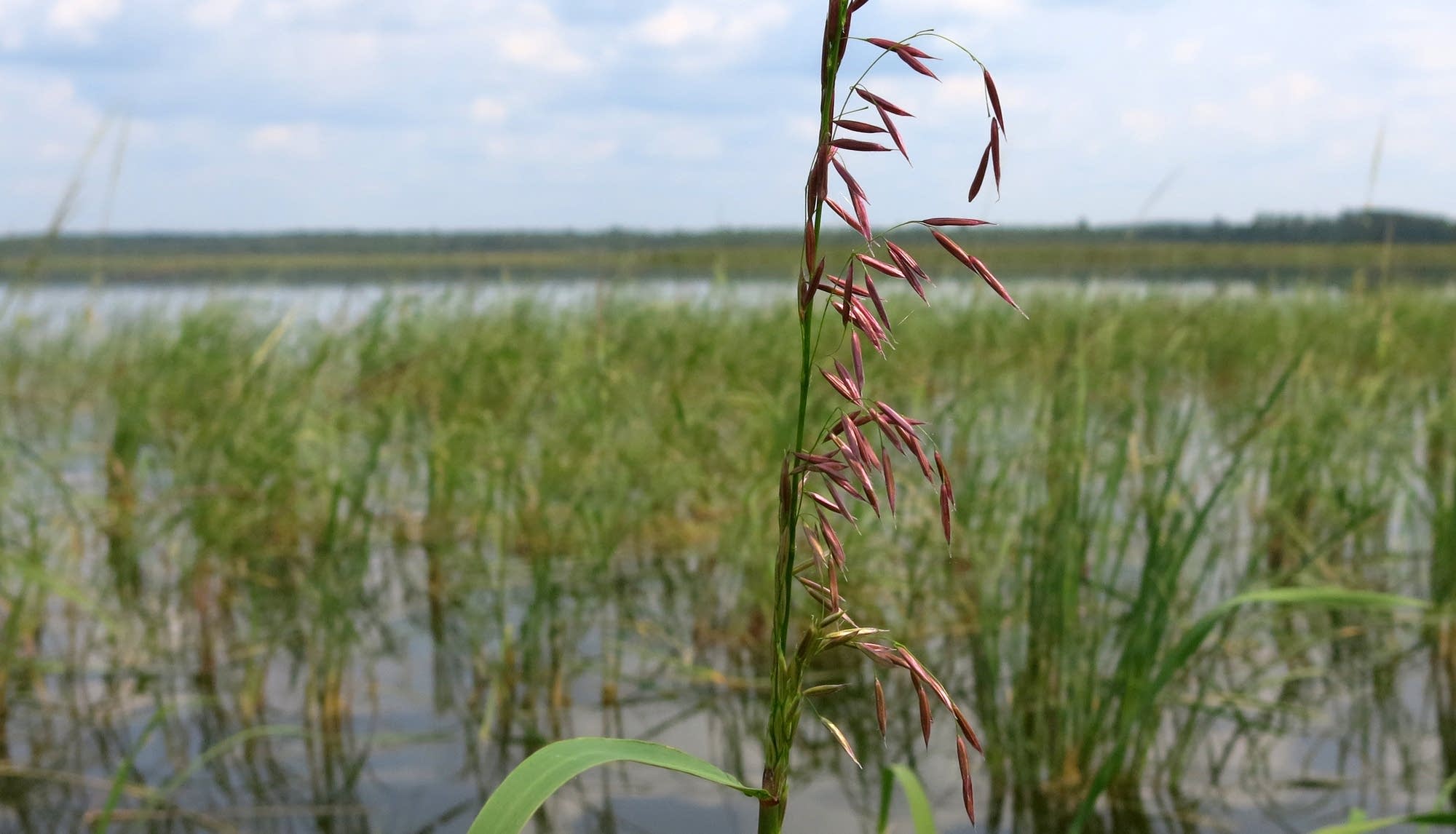
Today, the pollution continues to limit wild rice harvesting and fishing in the area. And tribal environmental staff say the cleanup is failing.
Reporter Gabrielle Nelson is an environmental reporter and Report for America Corps Member for the Indigenous news outlet Buffalo’s Fire, based in North Dakota. She recently dug into this story and talked with MPR News host Nina Moini about her reporting.
Use the audio player above to listen to the full conversation.
Subscribe to the Minnesota Now podcast on Apple Podcasts, Spotify or wherever you get your podcasts.
We attempt to make transcripts for Minnesota Now available the next business day after a broadcast. When ready they will appear here.
Turn Up Your Support
MPR News helps you turn down the noise and build shared understanding. Turn up your support for this public resource and keep trusted journalism accessible to all.
Audio transcript
Reporter Gabrielle Nelson recently dug into the story. She's an environmental reporter and Report for America Corps member for the Indigenous news outlet Buffalo's Fire, it's based in North Dakota, and she joins me on the line. Thank you so much for being with us, Gabrielle.
GABRIELLE NELSON: Thanks for having me, Nina.
NINA MOINI: What got you interested in looking into this contamination on Cass Lake?
GABRIELLE NELSON: Yeah, so actually just word of mouth at my newsroom. My editor-in-chief, she visited the Leech Lake Reservation on a work trip and met with the tribal environmental authorities there. And they told her about the Superfund site and how they were trying to move their offices off the site. And that information came around to me in October. And I got to visit the reservation and see firsthand how the Superfund site has affected the development of the city, how it's disrupting the tribe's way of life, and potentially polluting two lakes called Pike Bay and Cass Lake.
And Cass Lake, just south of downtown, across the railroad tracks, you can tell you've entered the Superfund site because the forested areas are fenced off, and you can see dozens of empty lots where homes used to be. All of those residents were forced to move out in the late 1900s, and now the area is pretty bare.
NINA MOINI: And so you mentioned this term Superfund site. So let's talk about that and just the history behind this pollution, and then how it came to be today, this Superfund site. What is that?
GABRIELLE NELSON: Yeah, so a Superfund site is land in the United States contaminated by hazardous waste that poses a risk to human health or the environment. The EPA manages these sites under a law passed in 1980 called the Comprehensive Environmental Response Compensation and Liability Act. It's also sometimes called CERCLA, but most people just it as Superfund. Its goal is to direct cleanup and hold polluters accountable.
So as you mentioned before, from the 1950s to the 1980s, the St. Regis Paper Company made poles for Minnesota Lumber at their wood treatment plant in Cass Lake. And they use really toxic chemicals to treat those wood poles. The timber waste from the treatment plant was burned at the city dump, and large amounts of wastewater was generated in the treatment process and was dumped into ponds on the site.
Workers were directly exposed to these chemicals and some reported burns from skin contact. Residents breathed in smoke from burning piles of wood, and sometimes kids would swim in the wastewater ponds, make mud pies with contaminated soil, and play on treated wood that was sometimes stacked right next to residents' homes.
NINA MOINI: So obviously, all of this, people are trying to correct that now. And the EPA-- it was brought to the EPA's attention, and then it was on this priority list for cleanup. And I think most people have a hard time understanding the length of time and why and then how something like that is cleaned up.
And you've talked with people in the area and Leech Lake tribal members about how this pollution has really impacted their lives and continues to all these years later. How did they tell you this is still impacting them?
GABRIELLE NELSON: Yeah, so I got the chance to speak with Anton Treuer. He's a history professor, author, and Leech Lake resident. He's researched the cultural impacts of the Superfund site on the Leech Lake tribal community. And he said the Superfund site adds on to the cultural erasure Native communities went through historically.
Today, Native communities are fighting to keep their languages and cultural practices alive, but tribal members' willingness to participate in those cultural practices, like wild rice harvesting, subsistence fishing, and hunting decreases because of the impacts of the Superfund site.
So that's one of the reasons why this site is so detrimental to the community. One, the longevity of this cleanup, it's been going on for more than 40 years now. And two, the Native community is deeply connected to their land, the water, and the environment.
NINA MOINI: And so some of this groundwater pollution, according to your reporting, you learned, is still spreading. So there's the economic-- or I'm sorry, the cultural impact, but then there's also the continued environmental impact. What did you learn about that?
GABRIELLE NELSON: Yeah, so one of the reasons why the cleanup is taking so long is that the groundwater pollution is still a concern on the Superfund site. Currently, there isn't any threat to the city's drinking water according to the EPA, but it is a constant concern to the citizens of Cass Lake. And the tribe is worried that if the groundwater pollution isn't contained, it could pollute the city's aquifers and migrate to surface waters, like Pike Bay and Cass Lake, and ultimately travel down to the Mississippi River.
The EPA said monitoring wells show that pollution is decreasing at the core of the contamination, but levels aren't changing much at the edges of the site, and it looks like pollution is spreading under Pike Bay Channel and near a creek that feeds into Pike Bay.
The tribe's Department of Resource Management sees this as a symptom of failing groundwater treatment system. The treatment plant was supposed to reduce the groundwater plume and render it effectively contained by the early 2000s, yet the treatment plant is still required today to keep the plume in check.
And according to the EPA's most recent report, the groundwater cleanup could extend well beyond 2051 if the system were to remain operating as is. So that's a lot of time for groundwater pollution to make its way into these nearby waterways.
NINA MOINI: What happens now moving forward, Gabrielle? Are people on Leech Lake trying to speed this up or trying to have the federal government take a different approach? Or is it just going to be the way it is? Or what are the different options here?
GABRIELLE NELSON: Yeah, that's a tough one. There's still lots of tribal consultation with the EPA trying to get this site cleaned up. The EPA is also conducting regular meetings with tribal members to hear their concerns, but as far as cultural impacts go, some tribal members are still passing on the Ojibwe language, culture, and traditions, the reservation has signage in both English and Ojibwe, and people like Anton Treuer are heading language revitalization efforts.
As far as wild rice harvesting goes, there's wild rice harvesting classes offered through the Leech Lake Tribal College and other tribal programs. So while the Superfund site is impacting the tribe's way of life, tribal members are not letting that stop them from engaging in their cultural traditions and passing them on to the next generation.
NINA MOINI: Gabrielle, thank you so much for coming on Minnesota Now and sharing your reporting with us. We really appreciate your time.
GABRIELLE NELSON: Thank you so much, Nina.
NINA MOINI: Gabrielle Nelson is an environmental reporter and Report for America Corps member with Buffalo's Fire.
Download transcript (PDF)
Transcription services provided by 3Play Media.

