
Science

Dr Mark Porter asks whether adult health is determined by our environment and nutrition in the first thousand days of life.
Excuse me: Gassy dinosaurs helped warm Earth
Potty humor just got prehistoric. A new study suggests that dinosaurs may have helped keep an already overheated world warmer with their flatulence and burps 200 million years ago.
Asserting that cyberattacks against the U.S. don't come only from China, the U.S. and Chinese defense ministers said they agreed Monday to work together on cyber issues to avoid miscalculations that could lead to future crises.
Nevada drivers could soon be sharing the road with vehicles that don't need them.
Implications of Facebook IPO for social media
Facebook hits the road Monday to drive support for its IPO set to debut this month. Geek Squad founder Robert Stephens joins us to discuss Facebook and other tech industry news.
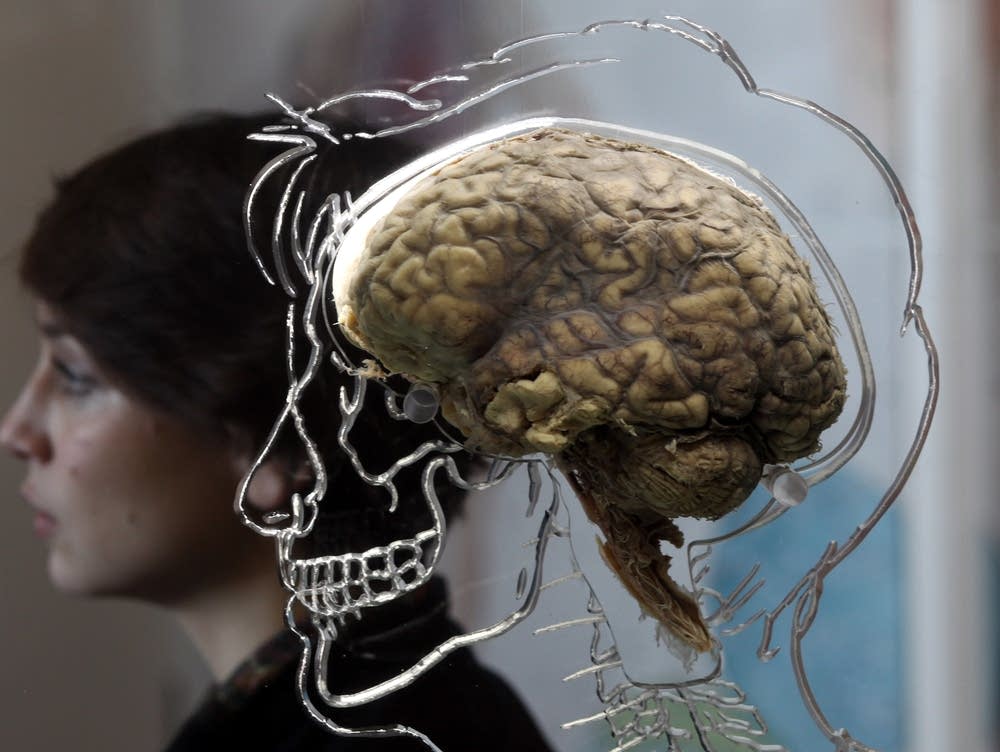
Can 'brain training' make you smarter?
Is it possible to make yourself smarter? Proponents of "brain training" say that people can improve their short-term memory that in turn improves fluid intelligence.
High tech transit emerging in the woods
Increasing demand and uncertain budgets have rural Minnesota transit systems looking to combine technology and personal service to become more efficient.
The future of U.S. space flight
NASA has just retired its space shuttle program. What does it mean for the future of American space travel and innovation? Journalist Michael Belfiore says we're headed for privately funded rockets.
Federal and state officials are commemorating the opening of a high tech physics lab in northern Minnesota today.