
Archdiocese weighs bankruptcy, but what would it mean?
Go Deeper.
Create an account or log in to save stories.
Like this?
Thanks for liking this story! We have added it to a list of your favorite stories.


File bankruptcy? It's the big money question facing the Archdiocese of St. Paul and Minneapolis.
With more than a dozen alleged victims of clergy sex abuse suing the archdiocese, three suits set for trial in a few weeks and worries about the cost of future, unknown claims, Chapter 11 could be a logical, if painful, next step — an orderly process to decide payments for current and future claims. It would also halt the coming trials.
Church leaders have said they're weighing bankruptcy as they face huge potential costs tied to clergy abuse. They won't say if any decision is imminent, though in November archdiocese chief financial officer Thomas Mertens called bankruptcy protection "a way to respond to all victims/survivors by allowing the available funds to be equitably distributed to all who have made claims..."
The best case, arguably, for the archdiocese would be a pre-negotiated bankruptcy, where key players agree on critical issues in advance. Church leaders, abuse victims, insurers and an army of attorneys would have to settle on how much money is on the table and who's going to get it.
Turn Up Your Support
MPR News helps you turn down the noise and build shared understanding. Turn up your support for this public resource and keep trusted journalism accessible to all.
History, though, suggests that's unlikely. A bankruptcy here is likely to resemble most church bankruptcies: bitter, contentious, costly and dragging on for at least two to three years.
Here's how it could unfold.
'Usually about money'
A bankruptcy filing would stop the trial court machinery, according to law professors and others who've studied archdiocese bankruptcies around the country.
Sex abuse claims would be settled instead as part of the bankruptcy. A judge would likely set up a process to evaluate alleged victims' claims.
Explore the full investigation Clergy abuse, cover-up and crisis in the Twin Cities Catholic church
A deadline would be set for victims and other creditors who had not yet filed claims against the archdiocese, although it's unclear how that timeline might fit with the state's claims window. Minnesota lawmakers opened a three-year window, through May 2016, for older victims to bring claims forward. No other diocese has filed for bankruptcy while such a window was still open.
"The idea is to resolve past, present and future claimants in one go," said University of Minnesota law professor Christopher Soper. "To set aside a pool of money for past, current and future claimants, so that the church can still go on with a fresh start, while still providing equitable money for various victims."
An initial bankruptcy filing could be detailed, offering guidance about the archdiocese's plans, or it could be just a one-page document giving a general range for archdiocese assets and liabilities.
In bankruptcy, the archdiocese would operate as usual in the short term. But its operations and finances would be scrutinized by a judge, court officers and attorneys.
The church would typically have four months to file a reorganization plan. Creditors and a court-appointed trustee overseeing the bankruptcy could propose alternatives.
"You'll see the crafting over a long period time, with judicial supervision, of a reorganization plan" that may or may not meet with creditors' satisfaction, said Charles Reid, Jr., a University of St. Thomas law professor.
A creditors committee would most likely be made up exclusively of abuse victims and their representatives. That's because abuse victims would be the people who'd be owed the most money.
The creditors' group would hunt for any assets that could compensate abuse victims and other people and businesses.
Insurers will be squeezed for money, too. But those companies argue they should not be on the hook for sex abuse the church knew about but let continue.
In the end, a judge decides if a proposed reorganization plan is fair and feasible.
The parties usually can't resolve their differences upfront, said James Stang, an attorney who's served on creditors committees in most of the 11 previous Catholic diocese bankruptcies.
"There are lots of reasons why you don't come to an agreement. It's usually about money," he said. Survivors may feel church officials are hiding money, and insurers may balk at paying out what creditors seek, he added.
Only the bankruptcy of the Helena, Montana, diocese could be counted as a pre-negotiated bankruptcy, Stang said.
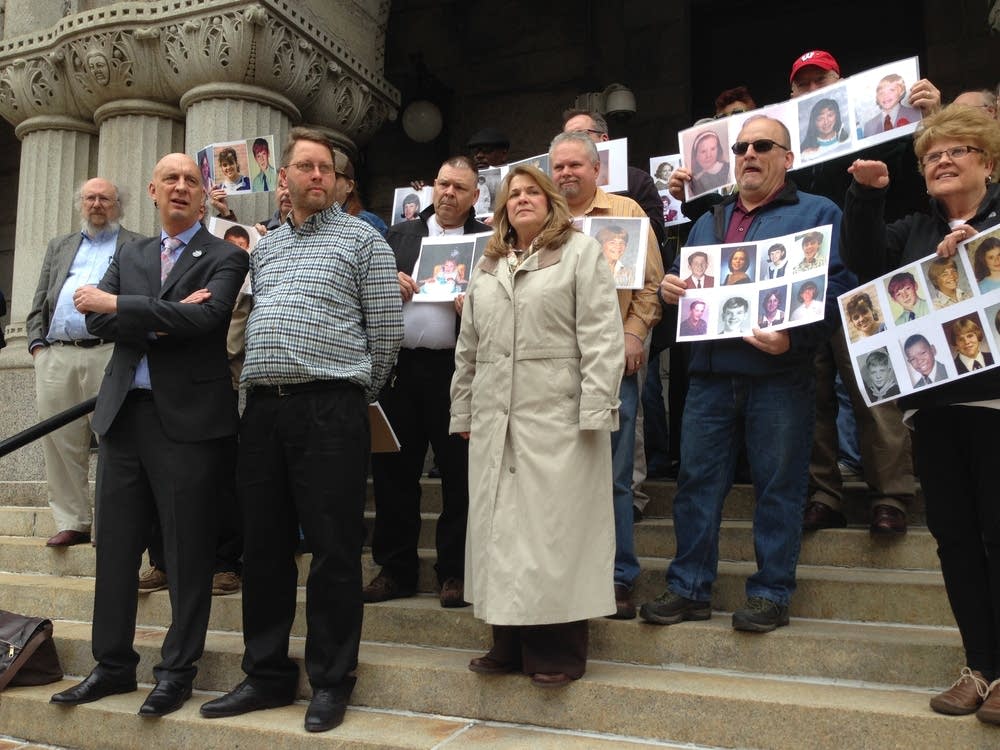
A tentative settlement proposed in that case provided $15 million in compensation for victims who have already come forward and an additional $2.5 million for those who might come forward in the future.
That kind of tidy conclusion, however, is exceptional. It's more typical to see bitter disputes over what assets are actually controlled by an archdiocese and should be available to settle debts, said Stang.
The Milwaukee archdiocese bankruptcy, for instance, is entering its fifth year, with legal and professional fees of more than $13 million.
Relationships between the parties and the lawyers are crucial to how the process plays out, said Temple University law professor Jonathan Lipson, who has studied church bankruptcies. "If you have a great deal of acrimony prior to and during the bankruptcy, it's much less likely you'll have a negotiated resolution."