Bitter cold settles in after clipper system
Blowing snow issues continue through Sunday night

Go Deeper.
Create an account or log in to save stories.
Like this?
Thanks for liking this story! We have added it to a list of your favorite stories.


Blowing snow and strong northwest winds will continue through Sunday night, followed by a surge of bitter cold that has prompted cold weather advisories.
Clipper system moves out, cold weather advisory moves in
Our fast-moving clipper system will exit the region to the east Sunday night, leaving behind a very cold Arctic air mass. A blizzard warning and winter weather advisory remain in effect until 9 p.m. due to blowing snow and reduced visibility.
Light snow will taper to flurries as temperatures fall below zero statewide, with lows dropping into the teens below zero in northwestern Minnesota.

Blustery northwest winds will continue, with gusts up to 45 mph through Sunday night.
Turn Up Your Support
MPR News helps you turn down the noise and build shared understanding. Turn up your support for this public resource and keep trusted journalism accessible to all.

With frigid temperatures and feisty winds, a cold weather advisory will go into effect at 9 p.m. Sunday and continue through Monday morning, with wind chill values expected in the 25 to 35 degrees below zero range. Frostbite on exposed skin is possible within 10 minutes.

High temperatures on Monday will struggle to reach just a few degrees above or below zero. Monday night into Tuesday will see lighter winds, but wind chill values are still expected to range between 15 and 25 degrees below zero.
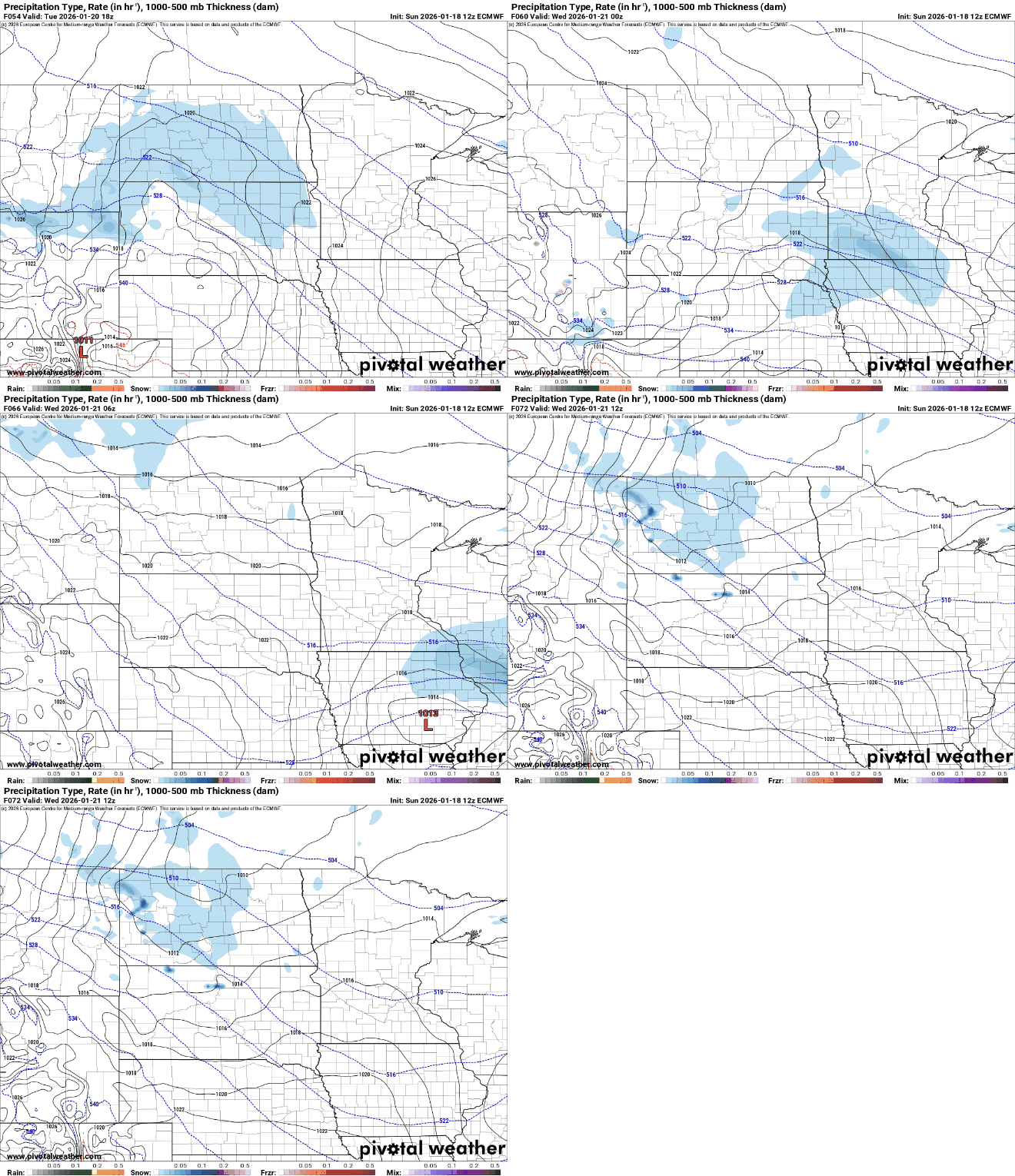
Temperatures will moderate slightly by Wednesday, with highs climbing into the 20s. The arrival of the warmer air may bring a chance of light snow Tuesday night into early Wednesday.
Another polar plunge is expected next weekend, bringing some of the coldest air of the season into portions of the following week with strong northwest flow. Temperatures could fall into the teens and 20s below zero, with wind chills dropping into the 30s below zero.