
Here's how Lake Superior, terrain drive heavy snowfall on Minnesota’s North Shore
Go Deeper.
Create an account or log in to save stories.
Like this?
Thanks for liking this story! We have added it to a list of your favorite stories.


When winter storms move across northeastern Minnesota, snowfall totals along the North Shore are often higher than surrounding inland areas. The reason is a powerful combination of lake enhancement from Lake Superior and the areas orographic features.
Lake enhancement and North Shore terrain team up for heavy snow
Very impressive snow totals piled up along Minnesota’s North Shore, with some communities receiving 2 to 3 feet of snow. Hovland, Minn., recorded 38.6 inches, a number that may raise eyebrows, but the atmospheric setup supports those totals along Lake Superior.


As the larger storm system moved through the region, cold air flowed easterly across the relatively warmer waters of Lake Superior, where the current lake temperature is 33 degrees. That allowed the lake to add moisture to the existing storm.
Unlike pure lake-effect snow, lake-enhanced snow occurs when a synoptic-scale system is already producing precipitation and the lake amplifies it.
Turn Up Your Support
MPR News helps you turn down the noise and build shared understanding. Turn up your support for this public resource and keep trusted journalism accessible to all.

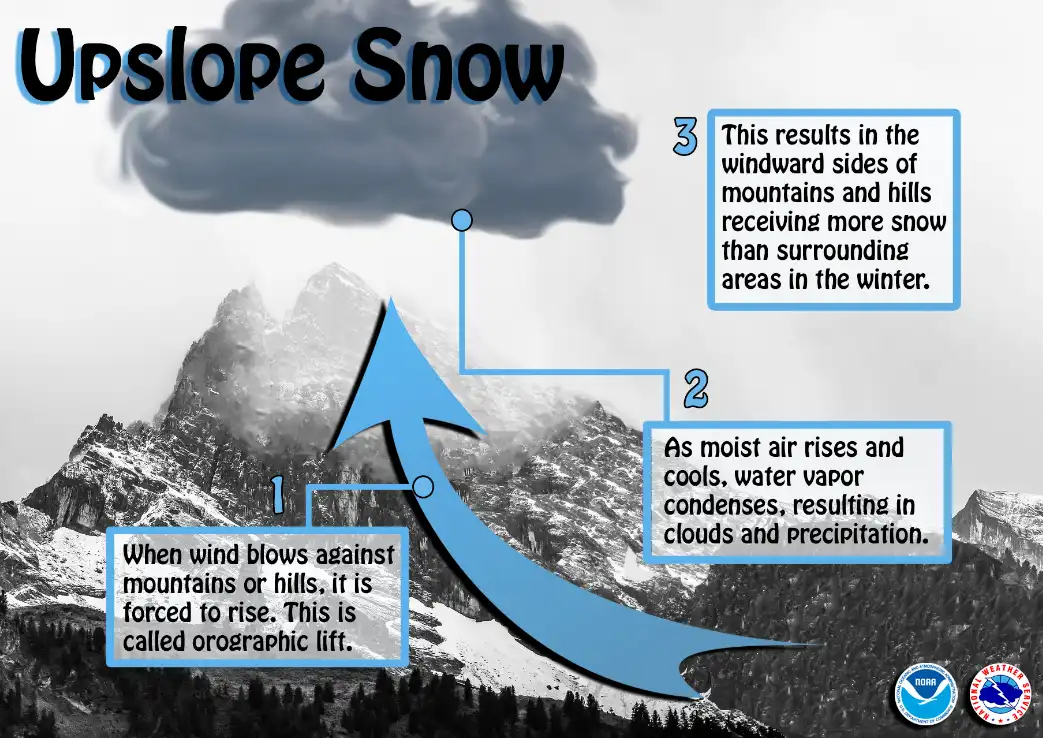
At the same time, the geography of the North Shore contributed to the extreme totals. The land rises sharply from the lake into higher elevations, forcing moist air upward. This process, known as orographic lift, cools the air and squeezes out additional snowfall.
The storm also produced isolated reports of thunder snow, a rare winter phenomenon where strong upward motion in a snowstorm triggers lightning and thunder.
Intense snow bands and strong upward motion in parts of the North Shore likely generated the electrical charge that produced the thunder snow. Thunder snow is often linked to the heaviest snowfall rates, sometimes more than 2 to 3 inches per hour!
Along Minnesota’s North Shore, Lake Superior, rising terrain, and bursts of thunder snow combined to produce some heavy and dramatic snowfall.

