
Publishing bilingual poetry collection is 'a dream' for Minnesota refugee advocate
Go Deeper.
Create an account or log in to save stories.
Like this?
Thanks for liking this story! We have added it to a list of your favorite stories.


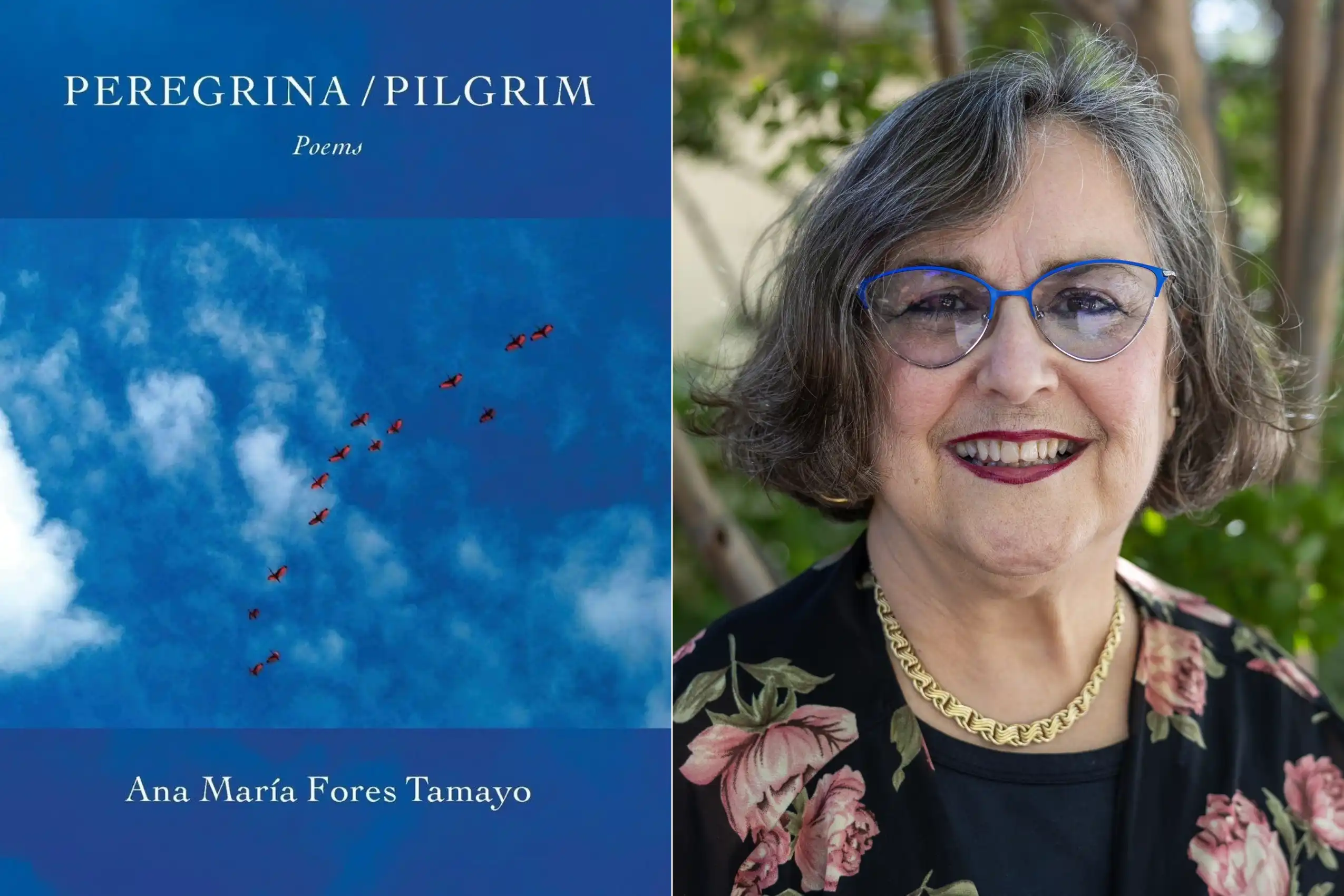
Ana Fores Tamayo is the executive director of the Refugee Support Network, a nonprofit staffed by volunteers who help refugees apply for asylum in the United States. She's also a poet. And she'll be reading from her most recent collection of poetry, the bilingual “Peregrina/Pilgrim,” on Thursday at 7 p.m. at Eat My Words Bookstore in Minneapolis.
Fores Tamayo brings a unique perspective to her work with asylum seekers; her father was a political refugee and her family moved to the United States from Cuba when she was about 5-years-old. The family settled in Miami before moving to Montana and, eventually, to Minnesota. Fores Tamayo says she's glad to once again call Minnesota home after she and her husband recently moved back to the state to be closer to their kids.
As an adult, Fores Tamayo found herself in Texas for nearly 30 years, living, working and raising a family. Texas was where she first got started with the Refugee Support Network. That experience — as well as her own experience as an immigrant — has shaped all of her written work.
“I’ve always written poetry,” she said, “but I’m very shy about it ...I just wrote for me and that was it. [When] I started doing asylum work, it was really, really hard to get it done and I needed some kind of outlet. And so I started writing poetry to kind of get it out of my system.”
Turn Up Your Support
MPR News helps you turn down the noise and build shared understanding. Turn up your support for this public resource and keep trusted journalism accessible to all.
“Peregrina/Pilgrim,” is Fores Tamayo’s third published collection. It’s a bilingual collection, with poems in both English and Spanish. Being able to publish her poems in both languages is, she says, “a dream.”
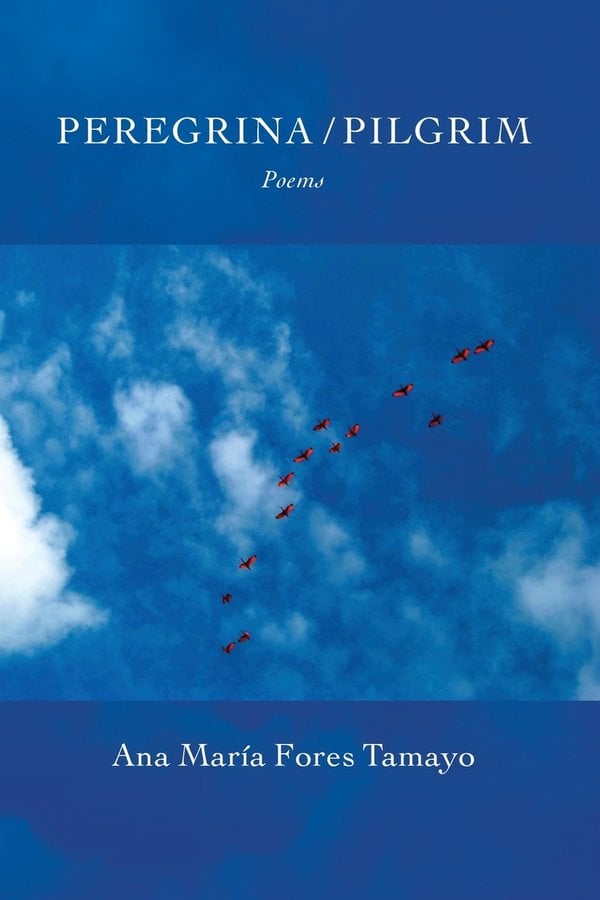
Here’s how she describes her creative process: “A lot of these poems I wrote in Spanish first and then I would go back into the English and I would ... see how that differed from the Spanish, and I would change the Spanish. And so it was very, very simultaneous. And that’s why I say it’s a simultaneous translation, because it wasn’t one language interpreted to the other ... [I]t is never a translation because translation is just like word for word and it's not poetry. And when you read Peregrina and you read Pilgrim, both of them, both the Spanish and the English are poems in their own right ... I try to make the poetry sound beautiful in both languages.”
She hopes readers understand through her work that languages and cultures are to be exalted.
“They add to the framework of a city and of a state, and they make it beautiful because they add so much. And this is what this is about. Peregrina is that. It's the pilgrim coming forth, looking for a home. And hopefully finding one.”

