
‘Sticker shock’: Inflation, Ozempic drive health care costs higher for Minnesota schools
Go Deeper.
Create an account or log in to save stories.
Like this?
Thanks for liking this story! We have added it to a list of your favorite stories.


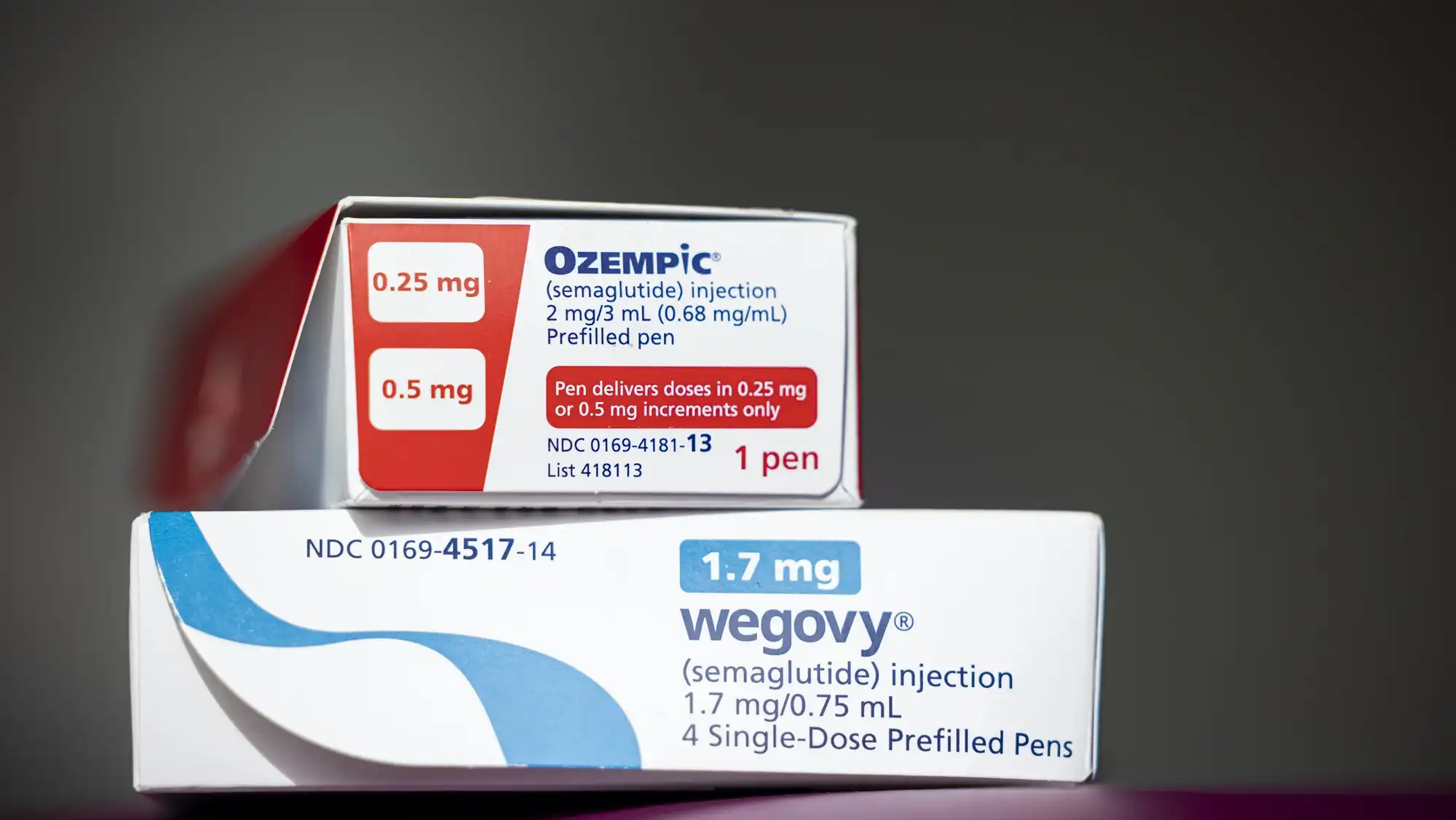
Facing a massive increase in employee health insurance rates, leaders at Anoka-Hennepin Area Schools last May asked a question out loud: Should the district stop paying for Ozempic and other popular new weight loss drugs?
Premiums were set to rise 22 percent on average, costing employees some $500 to $700 more per month for the district’s family insurance plans. Dropping coverage for the popular GLP-1 weight loss drugs could have shaved a significant chunk off the premium hikes.
Ultimately, Anoka-Hennepin agreed to keep the coverage in next year’s budget. The problem of rapidly rising employee insurance costs, however, remains unsolved at the state’s largest district and in districts across the state.
It may be one of the most pressing but least discussed financial dilemmas facing Minnesota schools. For administrators, it eats a greater share of state per-pupil funding increases. For school employees, the added costs mean hard-won pay increases are disappearing from paychecks.
Turn Up Your Support
MPR News helps you turn down the noise and build shared understanding. Turn up your support for this public resource and keep trusted journalism accessible to all.
“This is the largest increase we’ve had in a long time,” said John Wolhaupter, president of the Anoka-Hennepin teachers union, who confirmed the insurance cost numbers around the weight loss drugs debate.
“GLP-1 drugs — which we currently cover for both diabetes and for other things, including weight loss — we’ve had really high increased usage of those medications,” he added.
MPR News reached out to several districts to try to learn why costs are rising so dramatically. Some weren’t sure. In several places, school finance leaders pointed to inflation and larger-than-normal catastrophic claims.
Others pointed to a rise in prescription drug costs — specifically diabetes and GLP-1 weight loss drugs — as a significant part of what’s causing health insurance prices to soar.
“Any solution is going to require additional funding,” said Wolhaupter, noting that rising health care costs make it harder to recruit and retain teachers and other district employees. Additional state funding will help “but is not really enough to fix this.”
‘Sticker shock’
In Rochester Public Schools, GLP-1 drugs like Ozempic are only 2 percent of the prescription drugs that school employees use. But they account for 56 percent of what the district is spending on prescriptions.
“The moral of the story is drug costs,” said John Carlson, Rochester’s chief administration officer. “There’s lots of new things being invented, and when they first hit the market, they are very expensive until they can work off that original patent,” he added, noting the rise of weight loss drugs “There’s just all kinds of new things coming out that are going to give people better quality of life, longer life, but they’re expensive.”
At the moment, Rochester only pays for employees’ GLP-1 prescriptions if those employees have a diabetes diagnosis. But the district hasn’t found ways to bring down the cost of those drugs, even though it’s been able to lower other health costs.
Rochester’s health insurance premiums rose by double digits in 2023 and 2024. This year, the increase is only 9 percent. Carlson said the district has brokered a direct contract with nearby Olmsted Medical Center to help lower routine checkup costs. But it can’t do much about overall medical inflation and it can’t lower prescription drug costs.
“The specialty drugs are driving a very significant part of the cost,” Carlson said. “They’re launching at a high price point to start with, and so they’re possibly more effective, and maybe they're going to cut down the amount of treatment and all that. But still, the price point of the sticker shock kind of coming onto the market is really high.”
Other districts are also seeing Ozempic costs batter their bottom line.
In the Stillwater Area Public Schools district, which provides employees insurance through Blue Cross Blue Shield, officials told an April board meeting to expect double-digit increases to health insurance premiums for the 2025-26 school year.
Some of those increases were driven by a $1.2 million rise in GLP-1 prescription costs. Those drugs are driving 12 percent of the district’s total spending on prescriptions and the district’s insurance consultant anticipates more people will sign up.
“We did receive a lot of feedback from folks who have very poignant stories to tell about their experience with these medications,” Kristine Carlston, Stillwater’s executive director of human resources, told board members at a recent meeting.
She noted that she’d proposed restricting the district’s coverage of GLP-1s to employees diagnosed with diabetes but it would have been the first time the district ever excluded treatments or medications from its insurance plan.
‘They’re going to be paying to work here’
Premium costs are also crushing districts outside the Twin Cities metro area.
New Ulm Public Schools saw a 50 percent rate increase last year and a proposed 23.8 percent increase this year.
The Minnetonka school district’s costs are going up by nearly 20 percent, while Mankato’s rates went up by 30 percent and Detroit Lakes saw a 36.5 percent hike proposed, according to a recent survey by Education Minnesota, the statewide teachers union.
Belgrade-Brooten-Elrosa is a tiny school district in central Minnesota, home to just over 600 students with a four-day school week. It’s also home to an all-star lineup of teachers and staff that new superintendent Josie Dingmann says she’s worried about losing due to rising health care costs.
Two years ago, health insurance premiums for Belgrade district employees rose by 30 percent. Premiums rose by nearly 40 percent last year. This year, the district’s insurance broker told the district to expect health premiums to rise by more than 66 percent.
While the exact reasons for the increase weren’t clear, it would have been an extra $32,000 cost per year in premiums alone to school employees, and that’s after district contributions to health plans.
“It was really just not even an option. They can’t accept the job,” Dingmann said. “Think of our hourly employees, like our paraprofessional, our custodial” staff, she added. “They’re going to be paying to work here.”
To avoid that huge premium increase, district leaders switched from claims-based coverage to individual coverage health reimbursement arrangements, or ICHRA, which is an account-based plan that allows employers to provide non-taxed reimbursements to employees for qualified medical expenses.
“(The rate hikes) kind of forced us to just have to figure it out,” said Dingmann, the new superintendent. “And I do think this is kind of the new age of insurance, because it's too expensive, otherwise. It’s just not doable.”
Soaring insurance costs “may be the top issue in collective bargaining this year” for Minnesota schools and unions, said Chris Williams, spokesperson for Education Minnesota.
‘How can we afford this?’
Wolhaupter, the Anoka-Hennepin teachers union president, has spent time on an Education Minnesota task force dedicated to understanding why so many school districts have been priced out of the health insurance market.
In small districts “where there might only be 100 teachers or a couple hundred employees, they’re not able to find insurers that are willing to cover them,” Wolhaupter said.
Some districts faced with rising costs turn to Minnesota’s Public Employee Insurance Program, PEIP, for coverage. But that requires schools to commit to buying insurance from them for at least four years.
For districts like Belgrade-Brooten-Elrosa, that’s too much of a risk.
“Once you sign, you are with them for four years, and the only way to get out of being with PEIP is if they raise your rates over 20 percent,” said Lara Dahl, Belgrade-Brooten-Elrosa’s director of human resources.
“When we were already dealing with high claims … another 19.9 percent increase over the next four years, every year, and we can't do anything about it. I mean, a 19.9 percent increase is huge.”
Wolhaupter said he and other Education Minnesota leaders have proposed expanding PEIP into a statewide, mandatory pool for school employees.
“It would bring all of the districts across the state together,” Wolhaupter said. “The idea was, you know, that we would create a larger pool, and that would stabilize rates over time.”
Dingmann knows other districts are facing similar struggles with insurance rate hikes. She’s not sure what the solution to the problem is, but she does know it’s beyond her district’s power to fix.
“Some people are talking about universal health care, and what does that look like again. I do not know. All I know is that the claims-based systems for small businesses and schools are just not feasible,” she said “It’s a little scary to think, what are our families going to be doing, and how can we afford this?”

