
Minnesota is in the midst of a historic transition in how it generates electricity. Xcel Energy last week announced plans to close all of its remaining coal-fired power plants in the state by 2030 -- and to increase its solar capacity in the Upper Midwest by 1,400 percent.
A United Nations report this week estimates that 1 million species are threatened with extinction. "You destroy nature and it's going to bite you back," says one ecologist.
Anesthesia revolutionized surgery by vanquishing patients' pain. But many of the chemicals are greenhouse gases. One Oregon doctor who has done the math says some are much less damaging to the planet.
"Protecting biodiversity amounts to protecting humanity," says UNESCO Director-General Audrey Azoulay, who warns that species are being lost at an alarming rate.
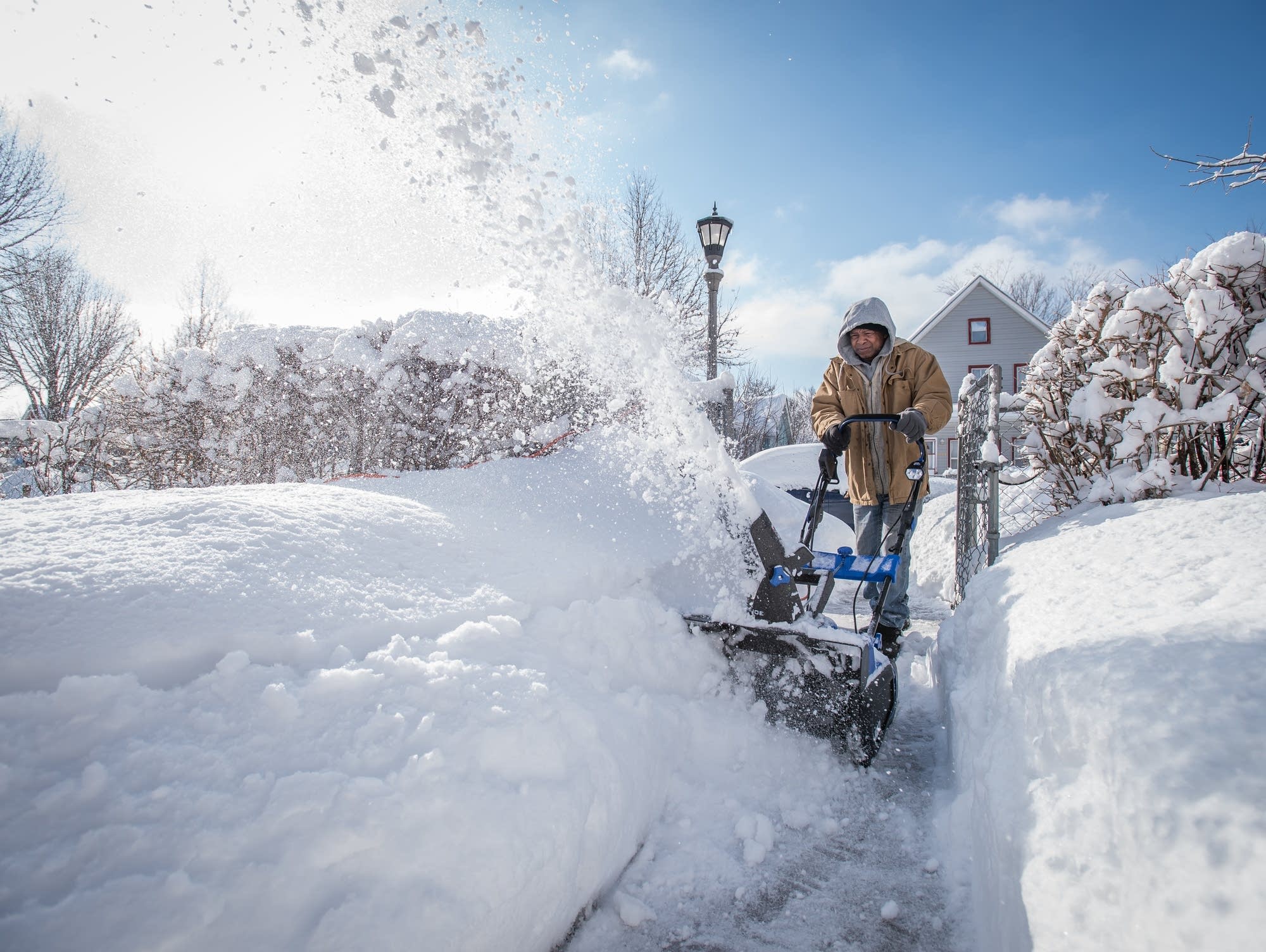
We slipped on the ice, scrambled for child care and spent good money on snow and ice dam removal. We saw barns collapse and were forced to cancel, cancel, cancel. As Minnesotans, we expect winter disruptions, but this winter put those expectations -- and the systems designed to meet them -- to the test.
As students around the globe participate in Earth Day, a new NPR/Ipsos poll finds 55 percent of teachers don't teach or talk about climate change and 46 percent of parents haven't discussed it with their kids.
Walmart, GM, Google, Johnson & Johnson and other corporations are forming a trade organization to promote the interests of renewable energy buyers. The group hopes to remove barriers to going green.
The military has warned that climate change is a security threat on many fronts. That includes "through direct impacts on U.S. military infrastructure and by affecting factors, including food and water availability, that can exacerbate conflict outside U.S. borders," the government's grim climate report said last year.
Minnesota is among the fastest warming states, and Minnesota's winters are warming faster than its other seasons. Data show that since 1970, Minnesota's winters have warmed at an average rate of 1.1 degrees per decade -- that's more than five times faster than the rate of winter warming in previous years.
Students around the world and across the U.S. skipped classes Friday to protest inaction on climate change. It's part of a wave of pressure from young people who say their future is at stake.
When it comes to staying informed in Minnesota, our newsletters overdeliver. Sign-up now for headlines, breaking news, hometown stories, weather and much more. Delivered weekday mornings.