
Community solar gardens initially attracted a lot of residential customers, but developers said higher costs caused such projects to make financial sense only for commercial customers.
The Intergovernmental Panel on Climate Change's latest report details just how much scientists say we need to limit greenhouse gas emissions to avoid catastrophe.
On Monday, three activists who briefly shut down two oil pipelines in Leonard, Minn., two years ago will argue their civil disobedience was justified because climate change is an imminent danger. It could be a bellwether case.
Robots are key to a new wave of local agriculture that aims to raise lettuce, basil and other produce in metropolitan areas while conserving water and sidestepping the high costs of human labor.
Hurricane Florence -- large, slow and full of moisture -- is threatening to inundate the Southeast. It's a type of storm that's getting more likely to form.
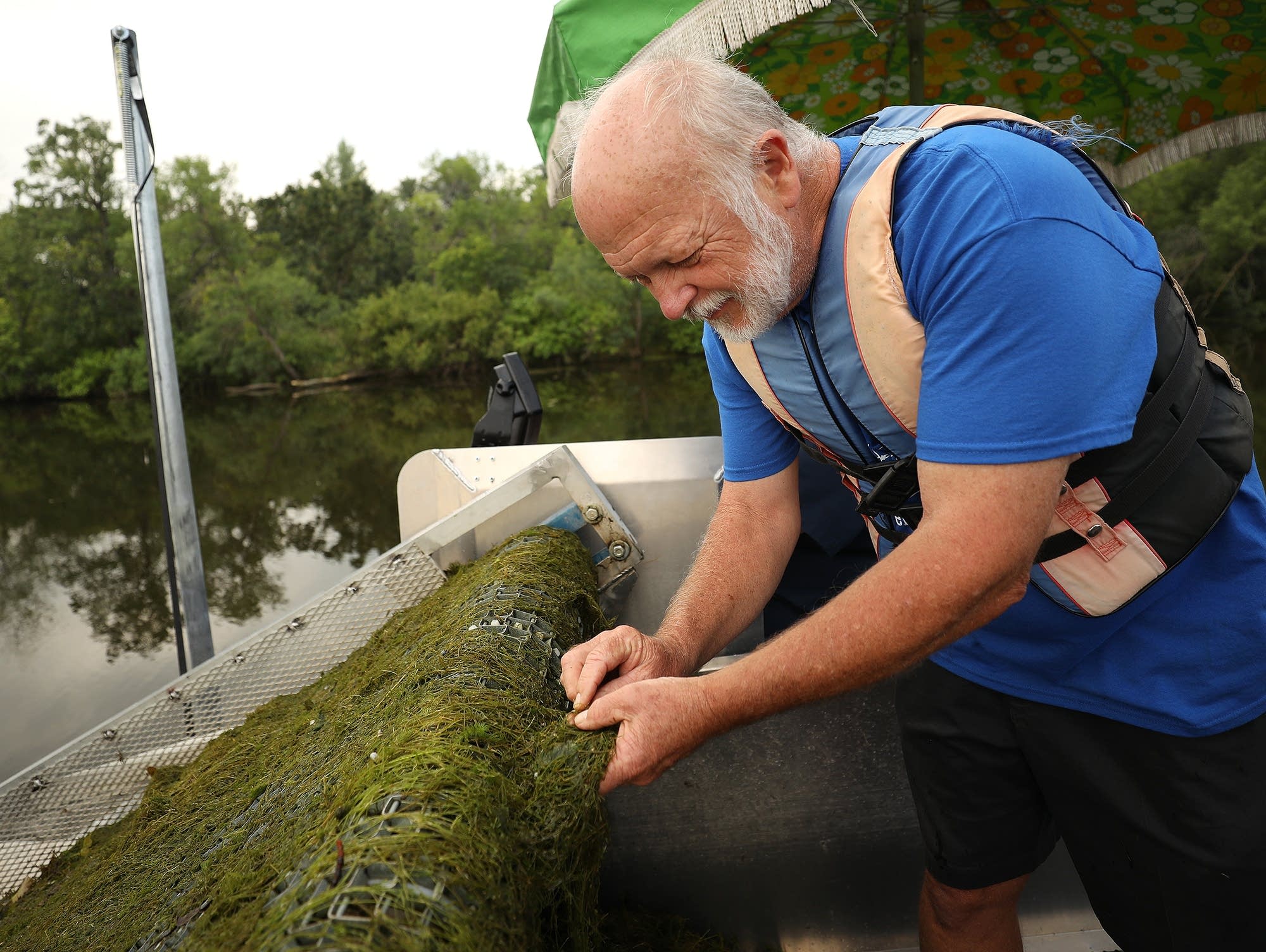
Millions are spent every year to control the spread of aquatic invasives, but countless new species pose a future threat to Minnesota's lakes and rivers.
Two shrimp fishermen from the Gulf Coast traveled to Minnesota last weekend to spread the word about how the dead zone of the Mississippi River is affecting their livelihood.
Are aquatic invasives primarily a nuisance, or do they cause serious damage to lakes? Are invasive species going to destroy the fisheries, as predicted? And, if not, does the impact justify all the money going into it?
When it comes to staying informed in Minnesota, our newsletters overdeliver. Sign-up now for headlines, breaking news, hometown stories, weather and much more. Delivered weekday mornings.