
Science

Study: There's still a way to reach global goal on climate change
A new study finds that if the nations of the world live up to their promises, future climate change can be kept to within an international goal set by scientists. But it won't be the safest international goal.
Scans reveal the brain's early growth, late decline and surprising variability
A study of more than 120,000 brain scans shows rapid growth before age 2 and accelerating decline after age 50. The results may one day help pick up abnormalities in the developing brain.
A day in the life of a wild Minnesota wolf
Scientists studying wolves in and around Voyageurs National Park have released what they believe is a first-ever video showing an entire day in the life of a wild wolf, shot from the wolf’s perspective. Spoiler: it shows the wolf walking (a lot), sleeping, and, preying on a deer fawn.
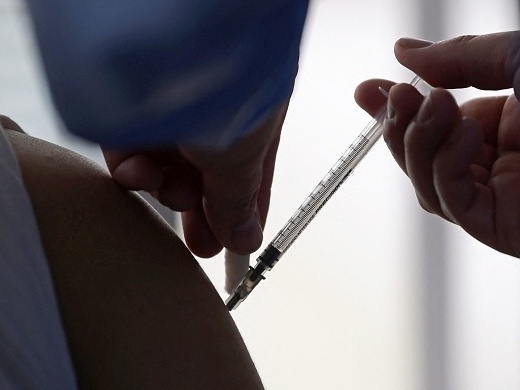
Another booster? A vaccine for omicron? Here's what could be next for COVID vaccines
Federal health officials are convening with outside advisers April 6 to talk about a vaccine plan, whether that's another booster in the fall, an omicron shot or one that targets more than one strain.
Minn. astronaut ends record-long spaceflight in Russian capsule
Mark Vande Hei, a NASA astronaut, is back on Earth after a yearlong, record-setting spaceflight. He caught a Russian ride from the International Space Station on Wednesday with two cosmonauts. 
Stone Age brain surgery? It might have been more survivable than you think
Medical historian Ira Rutkow points to physical evidence that suggests Stone Age people conducted — and survived — brain surgery. His new book is “Empire of the Scalpel.”
That smiling LinkedIn profile face might be a computer-generated fake
Stanford researchers uncovered more than 1,000 of these LinkedIn profiles. A technology that has been used to promote misinformation online has now entered the corporate world.
Evidence grows that vaccines lower the risk of getting long COVID
Though findings are preliminary, many studies suggest that vaccinated people have good protection against the condition, although just how much is still up for debate.