
MN state auditor Julie Blaha warns of costs of losing Fed independence
Go Deeper.
Create an account or log in to save stories.
Like this?
Thanks for liking this story! We have added it to a list of your favorite stories.


Intense federal immigration enforcement campaigns in Minnesota and other states. President Donald Trump’s bid to take over Greenland, the Danish-controlled territory. A go-it-alone tariff strategy that’s upended long-standing global economic relationships. The list of norm-shattering initiatives by Trump and his administration is long.
But the one that matters most to Wall Street to the global financial community is Trump’s determined effort to end the Federal Reserve’s vaunted independence from political pressure.
The prospect that the Fed will lose its independence to the White House led three state treasurers and one auditor to hold a press conference Thursday urging Trump to back off.
Minnesota state auditor Julie Blaha, joined by state treasurers from blue states Colorado, Washington, and Massachusetts, warned that if political interference takes hold, the risk is inflation could rise quickly.
Turn Up Your Support
MPR News helps you turn down the noise and build shared understanding. Turn up your support for this public resource and keep trusted journalism accessible to all.
That would drive up borrowing costs across the board: for states trying to build schools, for businesses trying to expand, and for families buying homes and cars. Their message is uncontroversial among financiers: an independent Fed anchors economic stability and losing that anchor could unleash real turbulence.
“Undermining the Fed’s independence will raise costs for families and states,” said Blaha. “It means higher mortgage rates, higher interest for credit cards and car loans, and increased borrowing costs for states funding roads, schools, and infrastructure. This is unnecessary manufactured chaos, and Americans are left paying the price.”
Trump’s campaign to influence the Fed
A quick definition: Federal Reserve independence refers to the widely accepted idea that the Fed should make decisions—especially about interest rates—based on economic data and trends, not on the whims and demands of elected officials.
The Fed’s mandate is to keep inflation low and unemployment strong over the long term. An independent Fed is designed to act with longer-term economic incentives rather than reflect short-term political impulses.
Trump, however, wants the central bank to slash interest rates dramatically which, he argues, would pay off in faster economic growth. Yes, the Fed cut its benchmark rate three times last year. But Trump has repeatedly said the moves were too cautious.
Trump’s efforts to exert control have zeroed in on Fed Chair Jerome Powell. He’s labeled him “numbskull,” “knucklehead,” and “Mr. Too Late.”
Powell’s term as chair ends in May, and Trump has said he plans to name a successor soon. (There are four main candidates and, at the moment, it’s uncertain who will get the nod. Someone not yet on the official list is always a possibility.)
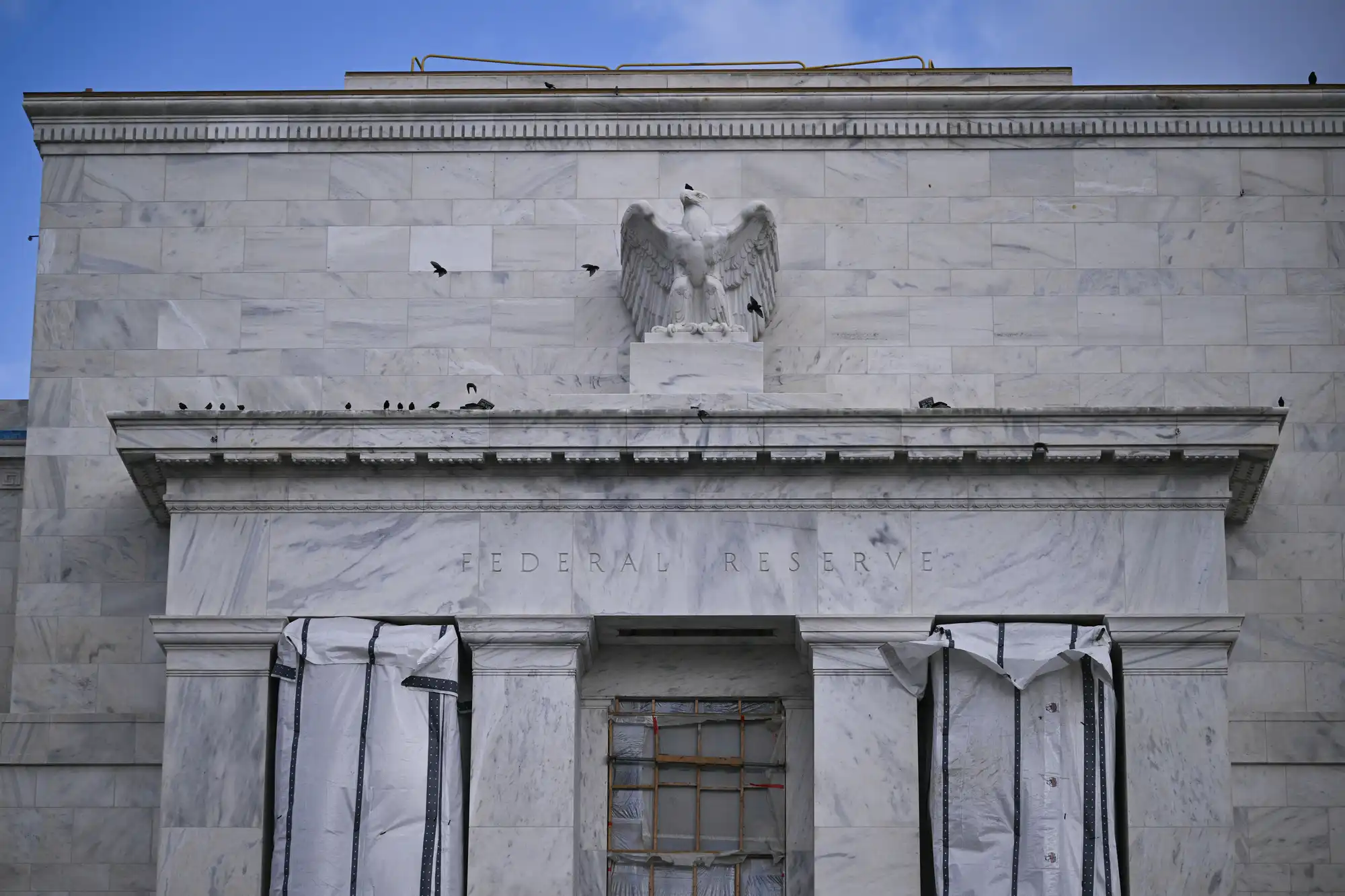
Meanwhile, the U.S. attorney’s office in Washington has opened a criminal investigation into whether Powell lied to Congress about renovations at the Fed’s headquarters.
Trump is trying to force out Fed governor Lisa Cook over allegations of mortgage fraud on a vacation property—a dispute the Supreme Court heard arguments on just Wednesday. Stephen Miran, Trump’s chair of the White House Council of Economic Advisors Chair, is now a Fed governor.
State fiscal officers see inflation risks
The state fiscal officers echoed each other in their remarks. A common theme was if the Fed becomes a political arm of the White House the risks of increased costs for everything from groceries to homes goes up.
Economic and financial uncertainties will deepen, heightening the prospect of financial chaos.
“Panic is destabilizing,” warned Blaha. She and the others said “unprecedented” multiple times.
Trump believes that engineering lower interest rates through the Fed will pay off in stronger economic growth and more jobs.
The worry shared by the blue state fiscal officers is that the economy is more fragile without an independent central bank.
It’s hard to find someone in the financial community that disagrees strongly with their perspective, but the remarkable gains in the stock market and the relative stability in the bond market suggest investors believe the Fed will manage to maintain its independence.
Of course, if they’re wrong, everyone from Wall Street traders to Minnesota taxpayers will pay the price.

