
“The Code Breaker” profiles Jennifer Doudna, a Nobel Prize-winning biochemist key to the development of CRISPR, and examines the technology's exciting possibilities and need for oversight.
By being able to wait for better food during an experiment, cuttlefish — the squishy sea creatures similar to octopuses and squids — showed self-control that's linked to the higher intelligence of primates.
The NASA rover traversed some 21 feet of terrain this week, in its first test drive since landing on the red planet. It also captured photos of its touchdown site and the wheel tracks it left behind.
A year into the COVID-19 pandemic, Minnesota researchers say their effort to learn whether surveying a community’s sewage could help detect the prevalence of COVID-19 — and possibly predict surges of the virus — appears promising.
Scientists are trying to build a tiny drone with the agility of a mosquito. These light but strong flying robots could be used in critical situations, such as finding people in a collapsed building.
A signed, sealed, but not delivered letter from 1697 has finally been read with the help of a high-tech scan that looked inside without breaking its seal.
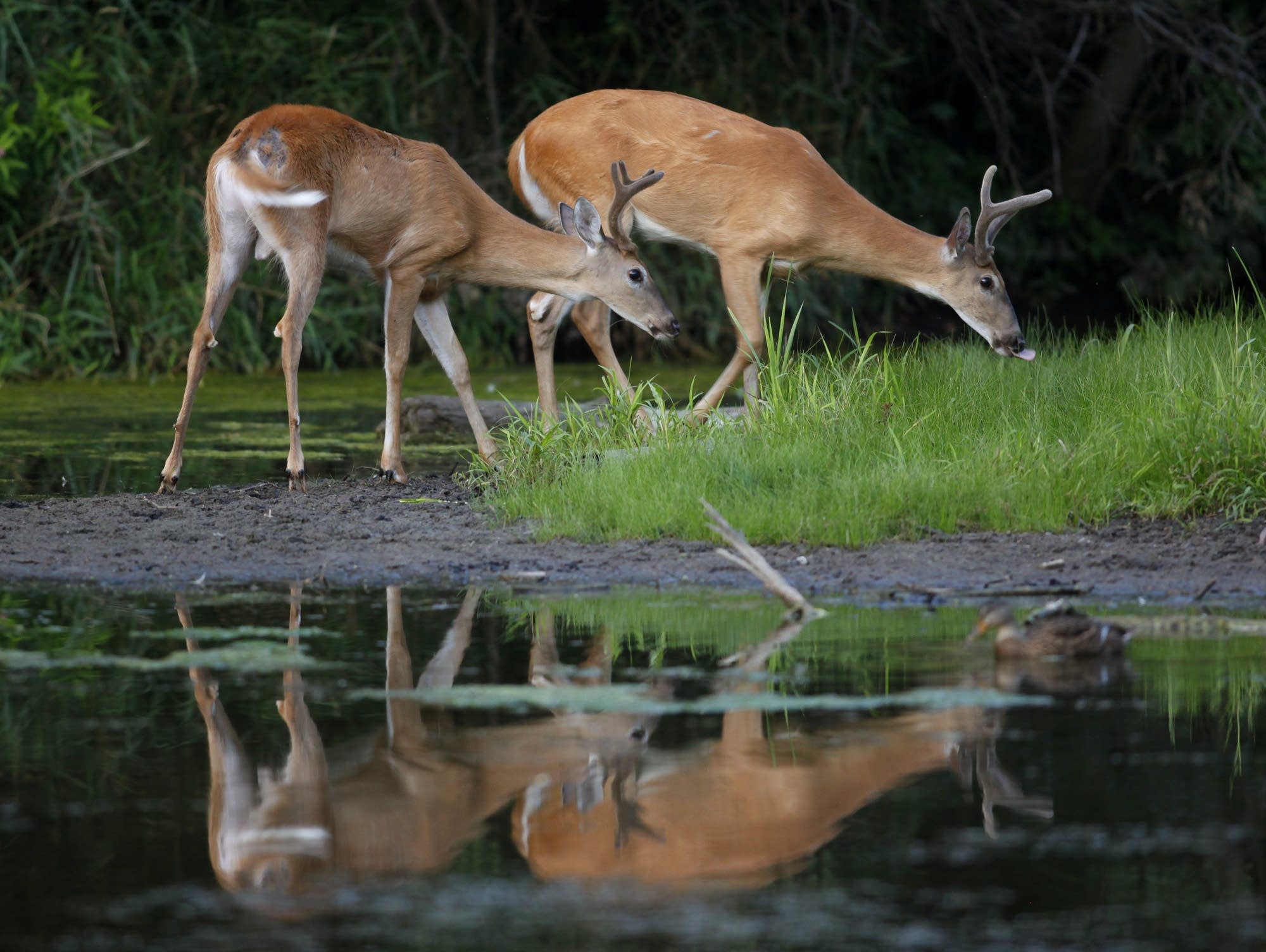
Researchers have found a commonly used insecticide in two thirds of the white tailed deer spleens collected from across Minnesota. It’s still unclear what the health effects on deer in the wild might be.
A century ago, the shipping industry recorded the daily ebb and flow of tides. Now, those records are becoming crucial for forecasting how fast sea levels are rising in a warming climate.
A panel of experts that advises the Centers for Disease Control and Prevention has given its blessing to a new one-shot vaccine for COVID-19. The move comes one day after the Food and Drug Administration authorized the vaccine for emergency use.
When it comes to staying informed in Minnesota, our newsletters overdeliver. Sign-up now for headlines, breaking news, hometown stories, weather and much more. Delivered weekday mornings.