
Climate change a more frequent refrain as Minn. candidates seek votes

Go Deeper.
Create an account or log in to save stories.
Like this?
Thanks for liking this story! We have added it to a list of your favorite stories.


Most Minnesotans recognize that climate change is happening, but there's less agreement on what to do about it.
The same is true of the candidates running for governor, U.S. Senate and U.S. House in the state. But whoever wins those seats could play an important role in how Minnesota — and the country — respond to climate change.
On the state level, the next governor and Legislature will decide what role state government will play on the issue moving forward. Minnesota has already set a goal to reduce all greenhouse gas emissions by 80 percent by 2050, and did not meet its 2015 target.
The state also has a set standard of ensuring that 25 percent of its energy is renewable, which it is meeting. Its next crop of leaders will need to decide: Should Minnesota encourage transitions to additional renewable energy, battery storage and electric vehicles? Or should it allow the free market or federal policies determine how fast those transitions happen?
Turn Up Your Support
MPR News helps you turn down the noise and build shared understanding. Turn up your support for this public resource and keep trusted journalism accessible to all.
On the national level, Congress has not done much to address climate change in recent years, while President Trump has been rolling back policies aimed at addressing it. Will the next Congress pursue policies that help the U.S. meet its goals under the Paris Climate Agreement, or support Trump's agenda?
Some Minnesota candidates have included climate change in their campaign communications and strategy. Others have talked about it when asked by journalists or during debates.
Below is an updated look at what the major party candidates running for governor, U.S. Senate and U.S. House are saying about climate change.
Governor: Jeff Johnson and Tim Walz

Climate change has not been a major issue in the governor's race, though the two major party candidates have very different viewpoints on the issue.
Jeff Johnson, a Republican, has said efforts to address climate change in Minnesota won't do much, since it's a global problem. He also has expressed concern that efforts to address climate change will hurt the economy.
Tim Walz, a Democrat, supports efforts to reduce greenhouse gas emissions by 80 percent by 2050.
Senate: Amy Klobuchar and Jim Newberger
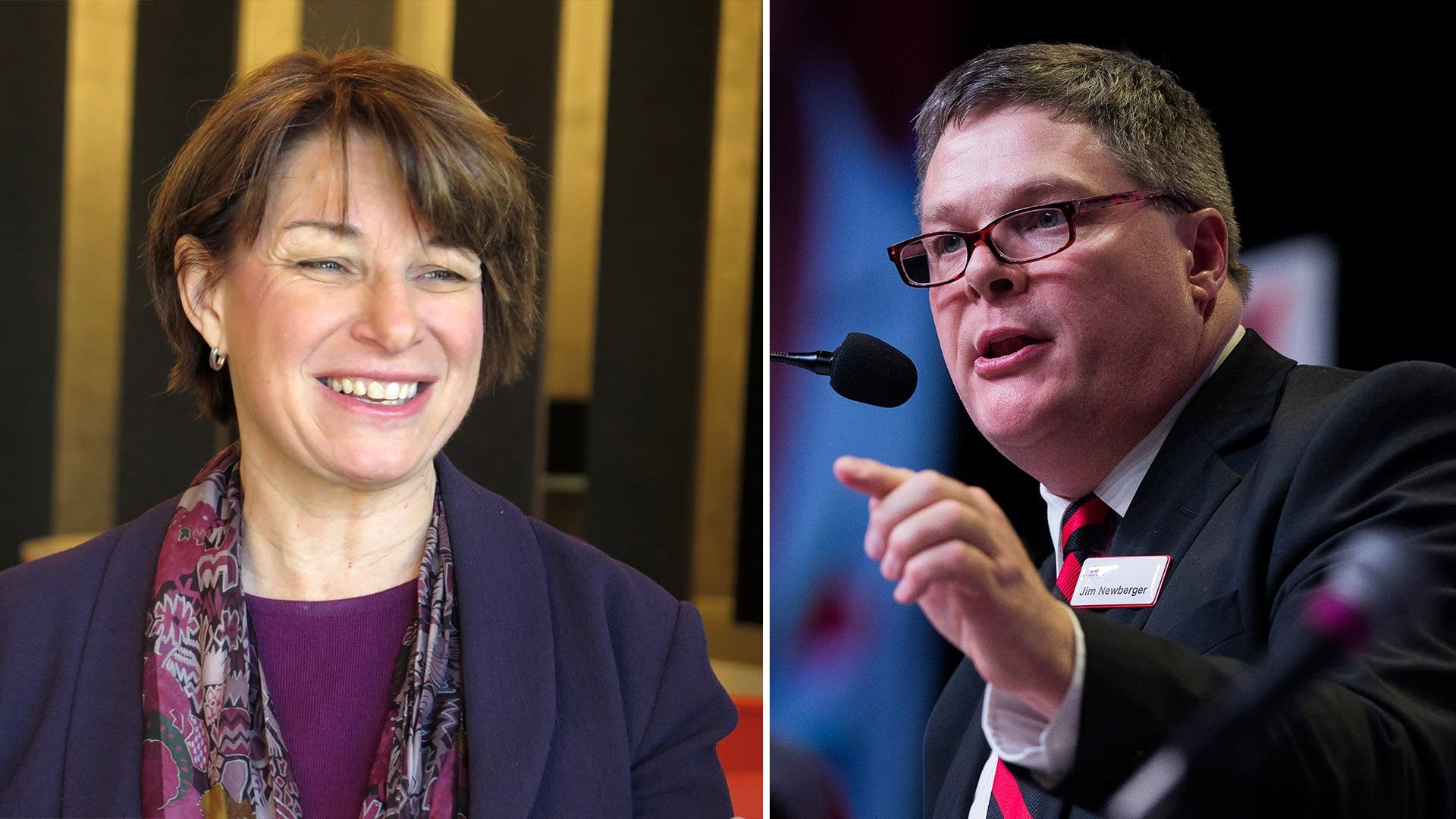
The candidates for this Senate seat have very different views on climate change.
Jim Newberger, a Republican, rejects the science of climate change and has also said he sees the transition away from fossil fuels as something that hurts American jobs. He said he's come to that conclusion from living near the largest coal-fired power plant in the Midwest, the Sherco plant in Becker, Minn., part of which will be retired soon as the state moves toward its renewable energy goals.
Senate: Karin Housley and Tina Smith

The candidates in this race are not as far apart on climate change as their counterparts in Minnesota's other Senate seat contest.
Housley, a Republican, has said we need to address climate change, and wants to reduce emissions where it makes sense economically. But she has also supported President Trump's move to withdraw the U.S. from the Paris Climate Agreement.
As lieutenant governor, Smith supported efforts to increase renewable energy in Minnesota and opposes President Trump's rollbacks of policies to retire coal-fired power plants and vehicle efficiency standards.
Housley and Smith have not faced off on the climate change issue, but have both talked about it in recent months: Housely during an interview with the Star Tribune's Patricia Lopez at the Minnesota State Fair and Smith during a floor speech opposing Brett Kavanaugh's nomination to the Supreme Court.
2nd Congressional District: Angie Craig and Jason Lewis
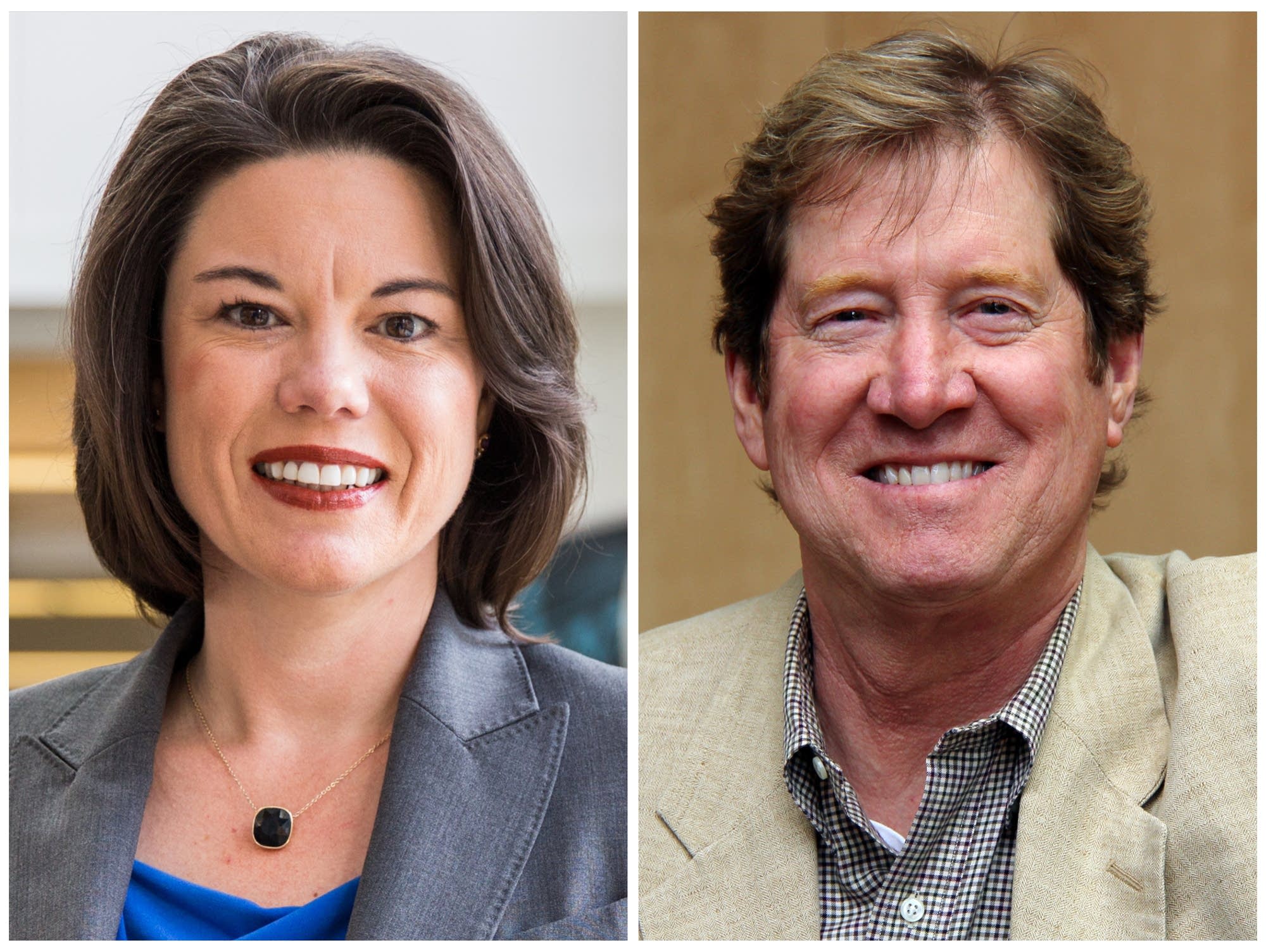
Angie Craig and Jason Lewis disagree on whether addressing climate change will have a positive or negative effect on the U.S. economy.
Lewis, a Republican, argues that the Paris Climate Agreement hurts the U.S. economy while giving other countries a pass, but Craig, a Democrat, says climate change is a national security threat that will cost the U.S. economy if the federal government doesn't take action.
Hear Craig and Lewis talk about climate change in this clip from an Oct. 19 debate at Dakota County Technical College:
3rd Congressional District: Erik Paulsen and Dean Phillips

Erik Paulsen and Dan Phillips agree that climate change is a problem that needs to be addressed, but they don't agree on how to solve it.
Phillips, a Democrat, has endorsed a carbon fee and dividend policy aimed at curbing emissions. Paulsen, a Republican, has not endorsed a specific policy solution, but is a member of the bipartisan Climate Solutions Caucus.
Hear Phillips and Paulsen talk about climate change in this clip from an Oct. 5 MPR News debate:
4th Congressional District: Greg Ryan and Betty McCollum

Climate change did not come up in the MPR News debate between Betty McCollum and Greg Ryan.
Ryan, a Republican, has said he is "in full support" of President Trump, who has been rolling back policies aimed at addressing climate change.
McCollum, a Democrat, supports reducing greenhouse gas emissions and investments in renewable energy.
5th Congressional District: Ilhan Omar and Jennifer Zielinski

Both candidates agree that climate change is happening, but disagree on how to address it.
Jennifer Zielinski, a Republican, says companies should be encouraged to reduce emissions on their own.
Ilhan Omar, a Democrat, says companies that rely on fossil fuels are hurting the environment and should be required to reduce emissions.
Hear Omar and Zielinski talk about climate change in this clip from an Oct. 23 MPR News debate:
6th Congressional District: Tom Emmer and Ian Todd
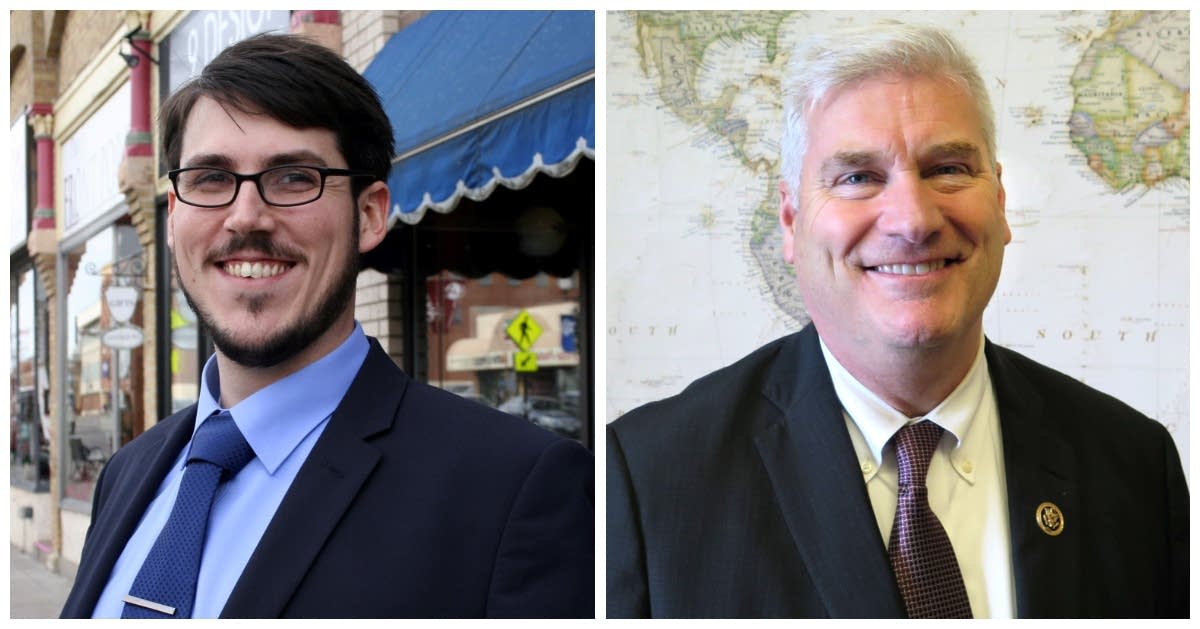
Climate change did not come up in the KSTP-TV debate between Tom Emmer and Ian Todd.
Emmer, a Republican, has said he supports a variety of energy sources to keep rates affordable for residents and businesses and has also said he supports President Trump's deregulation efforts.
Todd, a Democrat, has listed addressing climate change as one of his top three priorities.
7th Congressional District: Dave Hughes and Collin Peterson
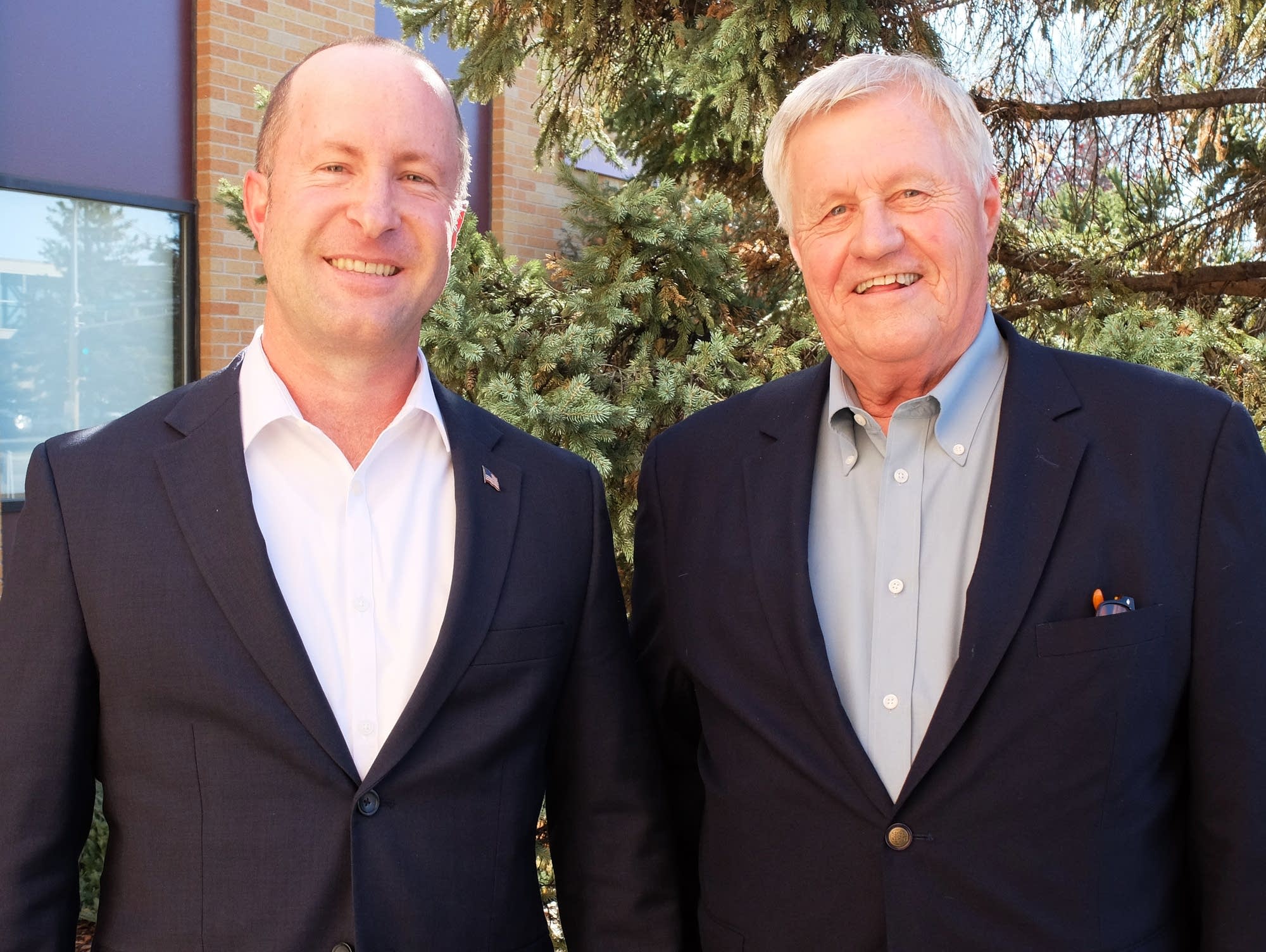
Climate change did not come up in the MPR News debate between Dave Hughes and Collin Peterson.
Unlike some other Democrats, Peterson has not made climate change a priority, and he has received low scores from the League of Conservation Voters on environmental issues, including votes on climate change.
Hughes, a Republican, has said that states, not the federal government, should decide whether to regulate greenhouse gas emissions.
8th Congressional District: Joe Radinovich and Pete Stauber
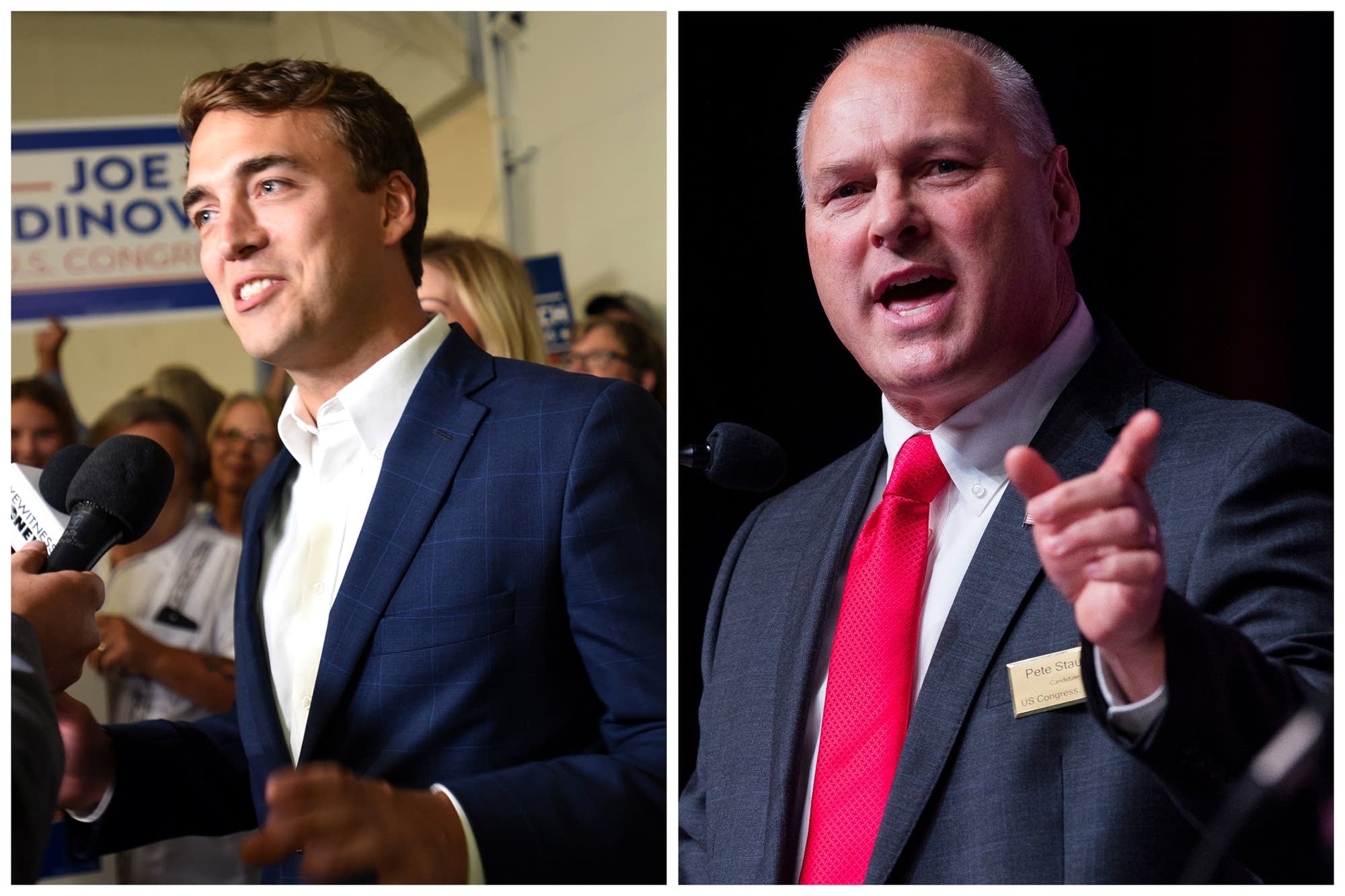
Both Joe Radinovich and Pete Stauber recognize that climate change is occurring, but they disagree on what to do about it.
Radinovich, a Democrat, supports reducing greenhouse gas emissions and investing in renewable energy. He also supports looking at climate adaptation techniques.
Stauber, a Republican, has said climate change is something worth discussing in Congress but has not supported any specific policies, saying he's a "perpetual learner."
MPR News reporter Cody Nelson contributed to this report.

