Water

Water shortages and problems around Minnesota — and the country — have many wondering what is the true cost of clean and reliable water. This reporting is supported in part by The Water Main, a project of American Public Media.

Wetter weather causing sewage headaches for Minn. cities
According to the Minnesota Pollution Control Agency, since 2010, wet weather has had an effect on wastewater treatment operations an average of 143 times a year, resulting in raw or partially treated sewage overflowing or being discharged into the environment.
Former Republican, DFL incumbent square off for U.S. Senate nomination
Incumbent Tina Smith, who was appointed to the seat following Al Franken's resignation, is trying to hold off a challenge from Richard Painter, a U of M law professor who used to be a Republican.
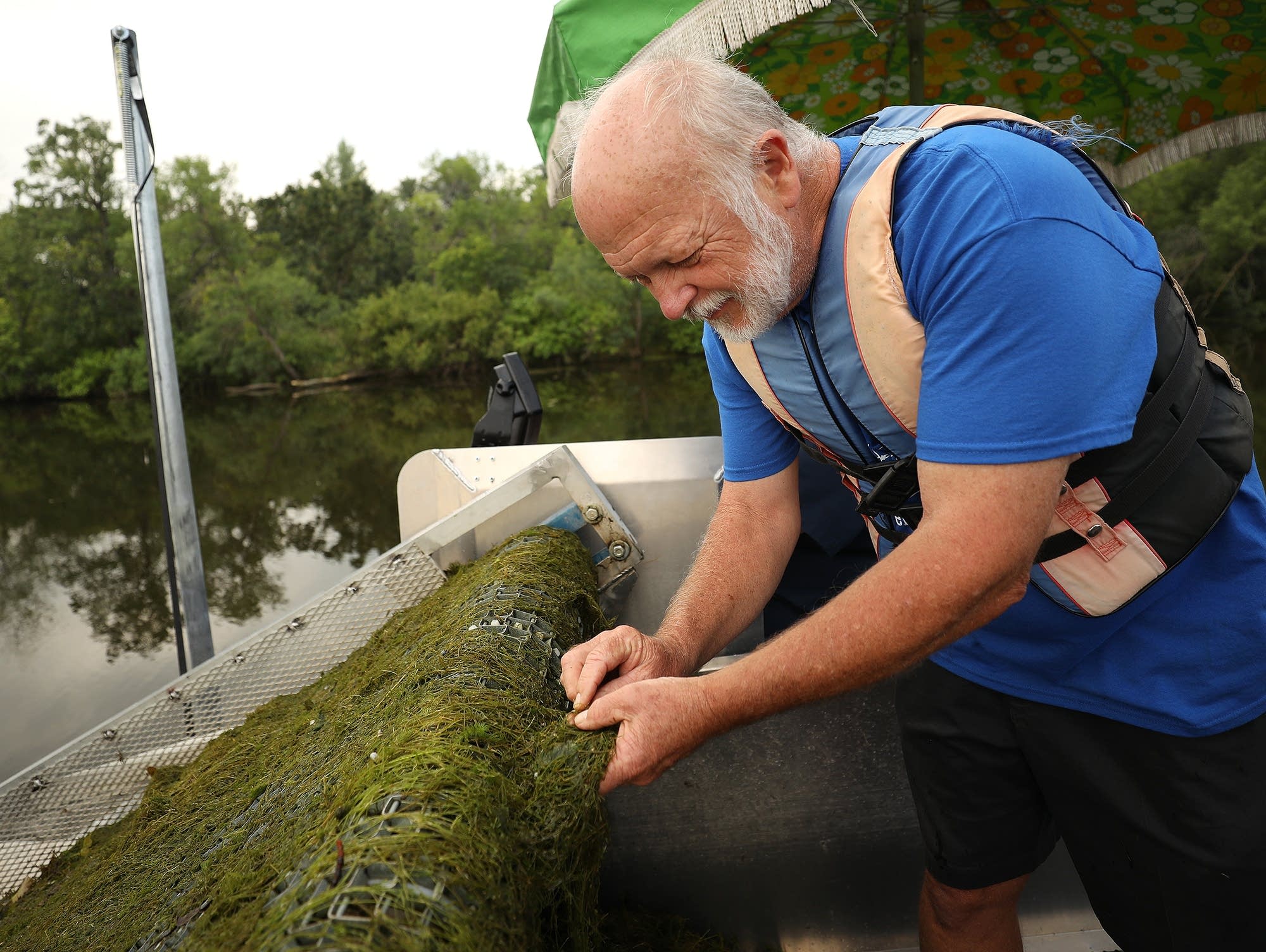
Possible fix for algae-plagued Little Rock Lake delayed a year
The Minnesota Department of Natural Resources had planned to lower the water level of Little Rock Lake, north of St. Cloud, in an effort to improve the lake's water quality by encouraging native plant growth.
Brainerd grapples with how to save its iconic water tower
Earlier this month a chunk of concrete fell off the 141 foot structure, known as "Paul Bunyan's flashlight." No one was hurt, but now, city officials are scrambling to figure out what to do next.
What happens here in the fields and farms of Iowa and the rest of the Midwest has an effect on the Mississippi River and its watershed all way down to the Gulf of Mexico.
Here are the stories, topics, and guests you'll hear today on MPR News.
Can Minnesota have clean water without regulating fertilizer?
Minnesota farmers rely heavily on nitrogen fertilizer to grow the crops that help make agriculture a $75 billion industry. But the state has struggled to find the right balance between food and fuel production and clean water. The state held the first in a series of hearings about new regulations on fertilizer use Monday.
Nitrate contamination in groundwater is a problem in some areas of the state, and agriculture officials say they're trying to prevent it from becoming worse.