
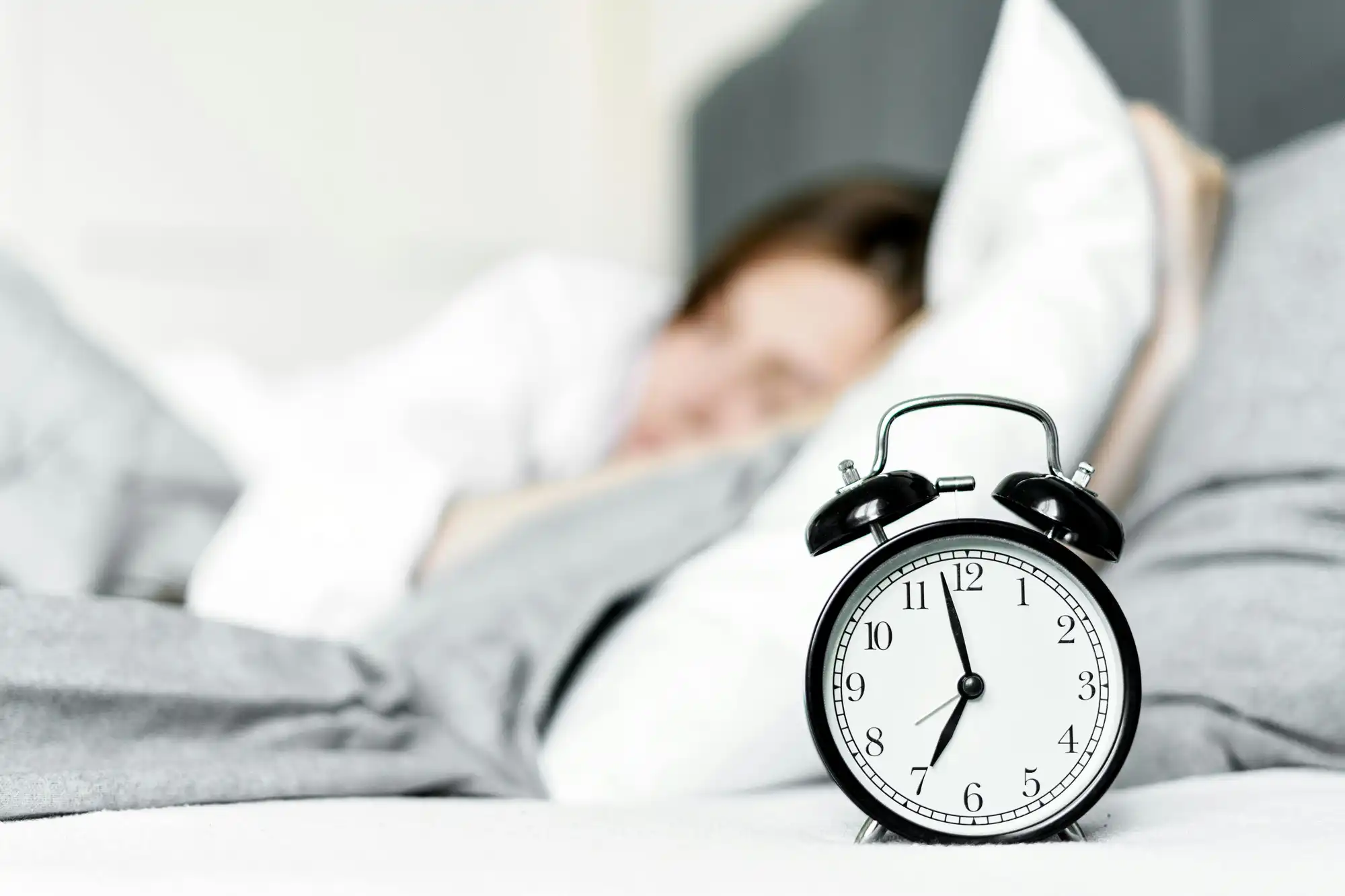
Expert shares advice to sleep soundly after Daylight Saving end
Go Deeper.
Create an account or log in to save stories.
Like this?
Thanks for liking this story! We have added it to a list of your favorite stories.


Was putting kids to bed Sunday night more of an exercise than usual? Do you feel a little extra rested Monday morning? Or was your stomach growling suspiciously early?
Daylight saving time ended Sunday. With a shifting schedule and shorter winter days ahead, Dr. Akinbolaji Akingbola, sleep medicine physician and an assistant professor at the University of Minnesota Medical School, joined MPR News guest host Emily Bright on Morning Edition for a refresher on good sleep hygiene.
The following transcript has been lightly edited for clarity. Listen to the conversation by clicking the player button above.
How does the end of Daylight Saving time affect sleep patterns?
For most people, it’s a little bit easier to go to sleep in the evening, just with sunlight ending sooner. But some people still on their previous schedule might struggle a little bit with that earlier sunset. But typically, I would say it’s better for our sleep.
Turn Up Your Support
MPR News helps you turn down the noise and build shared understanding. Turn up your support for this public resource and keep trusted journalism accessible to all.
Is there anything people feeling the time adjustment can do this week to ease the effects?
I would just really recommend that people keep their typical sleep routine as much as possible. If you have a schedule that you kind of stick to, I think keeping it as much as possible would be helpful. In about a week or two, it should be a lot easier just to fall asleep at your normal time. For Standard Time, I don’t think there are a lot of big changes that we need to make in terms of preparing ourselves to go to sleep earlier.

Year-round, what makes for good sleep hygiene?
I would say it’s keeping a consistent schedule. I know a lot of people think about what time they’re going to bed, but I think it’s also very important to think about what time you’re waking up. From a sleep perspective, from the moment we wake up, everything we do — if we have a scheduled routine — is preparing us for sleep. So keeping a very consistent wake-up time, I think, is just as important, if not more important, for being able to set a good sleep schedule.
Is sleeping easier in the winter than in the summer?
With Standard Time, sleeping in the winter is a bit easier just because the sun sets earlier. So when we’re at the end of our day, when we’re naturally getting tired and winding down, there's less sunlight, which is the most stimulating natural factor in terms of waking up. Whereas in the summertime, we have that sunlight late into the evening, so it's a little bit easier for us to stay up.
How important is quality sleep for our overall health?
I think of sleep as the one time that our body gets to rest and reset. And so whether it’s for cardiovascular health, pulmonary health, or our metabolic health, if we have a lack of good sleep, we’re not able to regulate some of those functions as well as we would with a good six to eight hours of sleep that we recommend.
It’s a stuffy, sniffly time of year. Do you have any advice for people with allergies, a cold, or some other bug who are trying to get needed rest?
As much as possible, I think it’s the same thing that our primary care physicians would recommend. So, symptomatic relief as much as possible. For stuffy noses, allergies, maybe using something like an intranasal steroid can help reduce inflammation and clear your nasal passage — things like that.

