Business and Economic News

Study: Sugar ruins teeth, rules the world
The authors of a new study say dental health is especially bad in low- and middle-income countries — and that Big Sugar works to make sure soda and candy aren't targeted as cavity culprits.
The net worth of black households continues to be much lower than that of white households. Could a proposal to give each newborn a savings bond help change that?
Chasing Palmer: Minnesota tries to stop high-cost invasive weed
The Minnesota Department of Agriculture is taking a zero-tolerance approach to the invasive Palmer amaranth plant, trying to prevent potentially significant financial losses for farmers.
UnitedHealth hikes profit forecast after big 2Q
UnitedHealth raised profit expectations for the year after second-quarter earnings climbed almost 13 percent, and the nation's largest health insurer continued expanding beyond its core business and into care delivery.
The City Council is working toward finalizing an ordinance requiring that 10 or 20 percent of apartments in many developments be affordable for low-income renters. An interim ordinance is now in effect.
Tru Shrimp had planned to build a multi-million-dollar shrimp production facility in Luverne, in southwestern Minnesota. But in January, the Minnesota-based company told Luvene officials it was building in South Dakota instead.
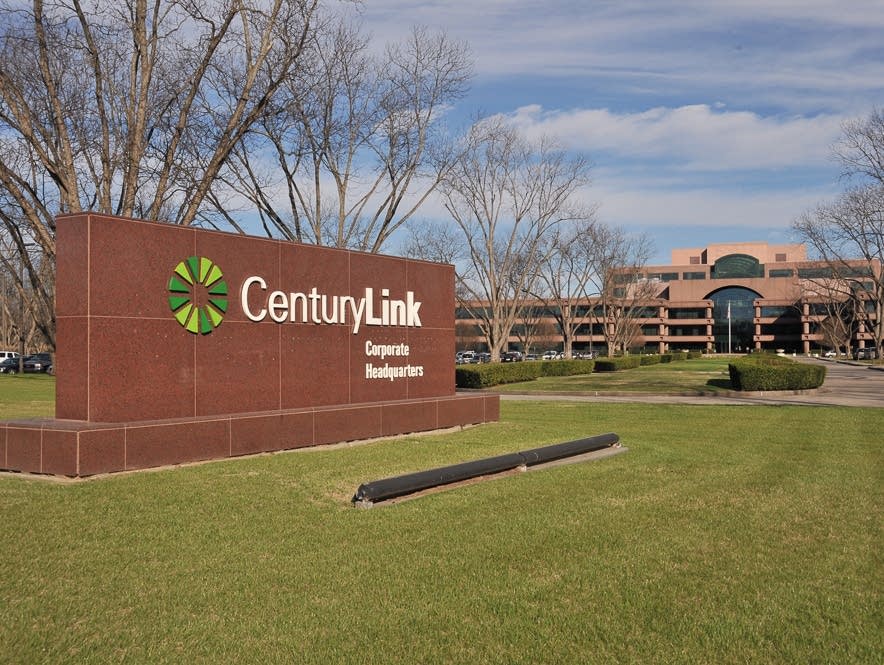
CenturyLink under state investigation after hundreds of complaints
The Minnesota Office of Pipeline Safety is investigating CenturyLink over hundreds of complaints that the utility failed to respond to requests to locate underground cabling.
Apple, Google continue inclusive push with new emojis
Apple and Google are rolling out dozens of new emojis that include cute critters, of course, but also expand the number of images of human diversity.
EU investigates if Amazon hurts competition by using sellers' data
The European Union's antitrust arm will evaluate Amazon's role as both a retailer and a marketplace for others. One focus will be on Amazon's use of data collected from third-party sellers.
This economic theory could be used to pay for the Green New Deal
Liberal Democrats have embraced an obscure brand of economics — "modern monetary theory" — to make the case for deficit-financed government programs like the Green New Deal for clean energy and jobs.