The ACA is again being put to the test, after a lower court judge ruled the massive health law unconstitutional. The case might yet ricochet back to the Supreme Court ahead of the 2020 election.
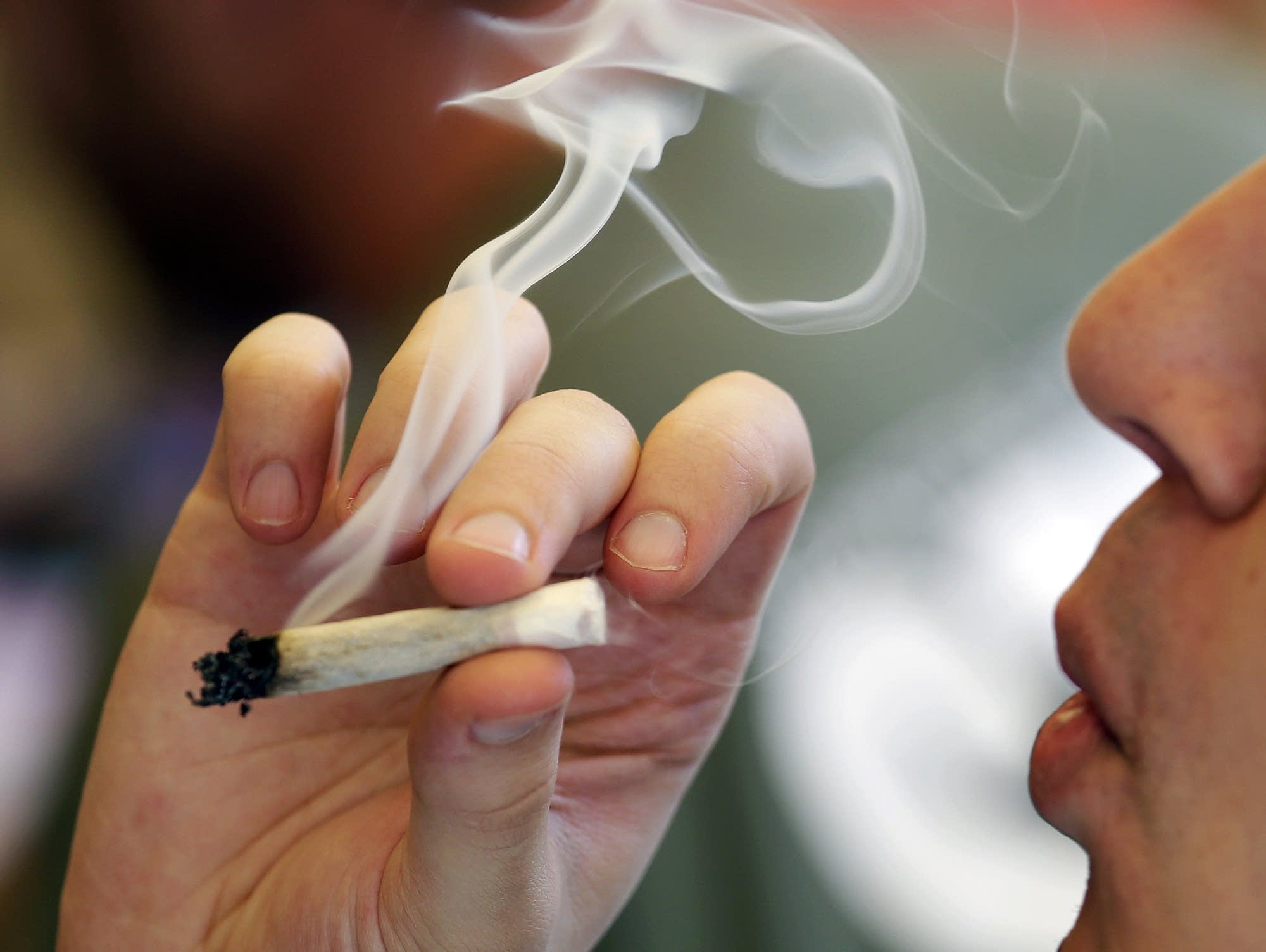
One reason may be that it's harder and costlier for teens to buy marijuana from licensed dispensaries than from dealers, said lead author Mark Anderson, a health economist at Montana State University.
A good primary care doctor can be your ally, helping you catch or prevent serious illness and navigate the health care system. Here's how to find a good one.
Stevie Wonder surprised concertgoers in London on Saturday night by announcing that he will take a break from performing so that he can receive a kidney transplant this fall.
State officials say the financial and emotional challenges affecting Minnesota farmers has hit farm kids even harder. Later this month, the state Department of Agriculture will offer two free workshops that give an overview of stressors unique to growing up on a farm.
A pricing tool embedded in many prescribing and medical records systems lets doctors see how much each patient is likely to pay out of pocket for medicine. But the tools could be better, doctors say.
Reports of deplorable conditions in immigrant detention centers holding children have prompted protests in Minnesota and elsewhere. But the children may also develop long lasting mental health problems as a result of separation from caring adults.
A study finds that for countries worldwide, the "democratic experience" -- through free and fair elections -- plays a larger role than the GDP in easing the burden of chronic diseases.
When it comes to staying informed in Minnesota, our newsletters overdeliver. Sign-up now for headlines, breaking news, hometown stories, weather and much more. Delivered weekday mornings.