By submitting, you consent that you are at least 18 years of age and to receive information about MPR's or APMG entities' programs and offerings. The personally identifying information you provide will not be sold, shared, or used for purposes other than to communicate with you about MPR, APMG entities, and its sponsors. You may opt-out at any time clicking the unsubscribe link at the bottom of any email communication. View our Privacy Policy.
In our weekly conversation about the science of the novel coronavirus, we dive into how the virus spreads and how our bodies — and immune systems — respond.
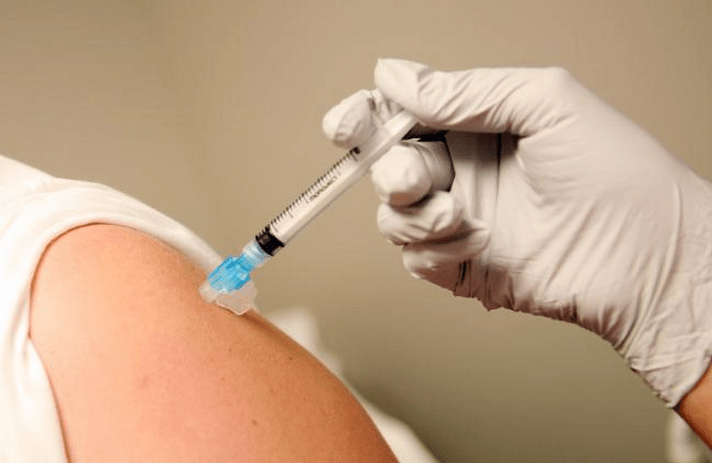
With the advent of flu season, and COVID-19 cases rising, a public health disaster even worse than what we’re now experiencing could occur this fall and winter. Here are some myths and truths about how to increase rates of vaccinations.
Minnesota’s COVID-19 case numbers continued their climb Monday, as the University of Minnesota’s Board of Regents approved a proposal to delay in-person classes for some of its campuses.
Doctors are researching why some patients remain unconscious for days or weeks, even after sedating drugs are withdrawn. They also worry that these patients aren't being given time to recover.
President Donald Trump announced on Sunday that the FDA granted emergency use authorization to treat COVID-19 patients with plasma from people who have recovered from the virus, based on "promising" results.
Even as it issued the “emergency authorization,” the FDA said “COVID-19 convalescent plasma does not yet represent a new standard of care based on the current available evidence.”
Sunday’s numbers continue to send a mix of hopeful and concerning signals, and state public health leaders remain concerned that Minnesotans are becoming numb to the disease’s risk.
Minnesota on Saturday reported another eight deaths and 746 newly confirmed cases. With 15 cases linked already to the Sturgis, S.D., motorcycle rally and more expected, officials worry too many Minnesotans are behaving like the pandemic is over.
In a note to the campus community Friday, University of Minnesota President Joan Gabel said that she’s proposing that three of the U’s campuses — in the Twin Cities, Rochester and Duluth — begin classes online for at least the first two weeks of school this fall. The university’s Board of Regents will take up her proposals Monday.
The report concludes Wisconsin voters who braved the pandemic and went to the polls in April did not see a surge in COVID-19 infections, although another study reaches the opposite conclusion.